Microbiome pioneer Jeffrey Gordon receives 2026 Gabbay Award in Biotechnology and Medicine
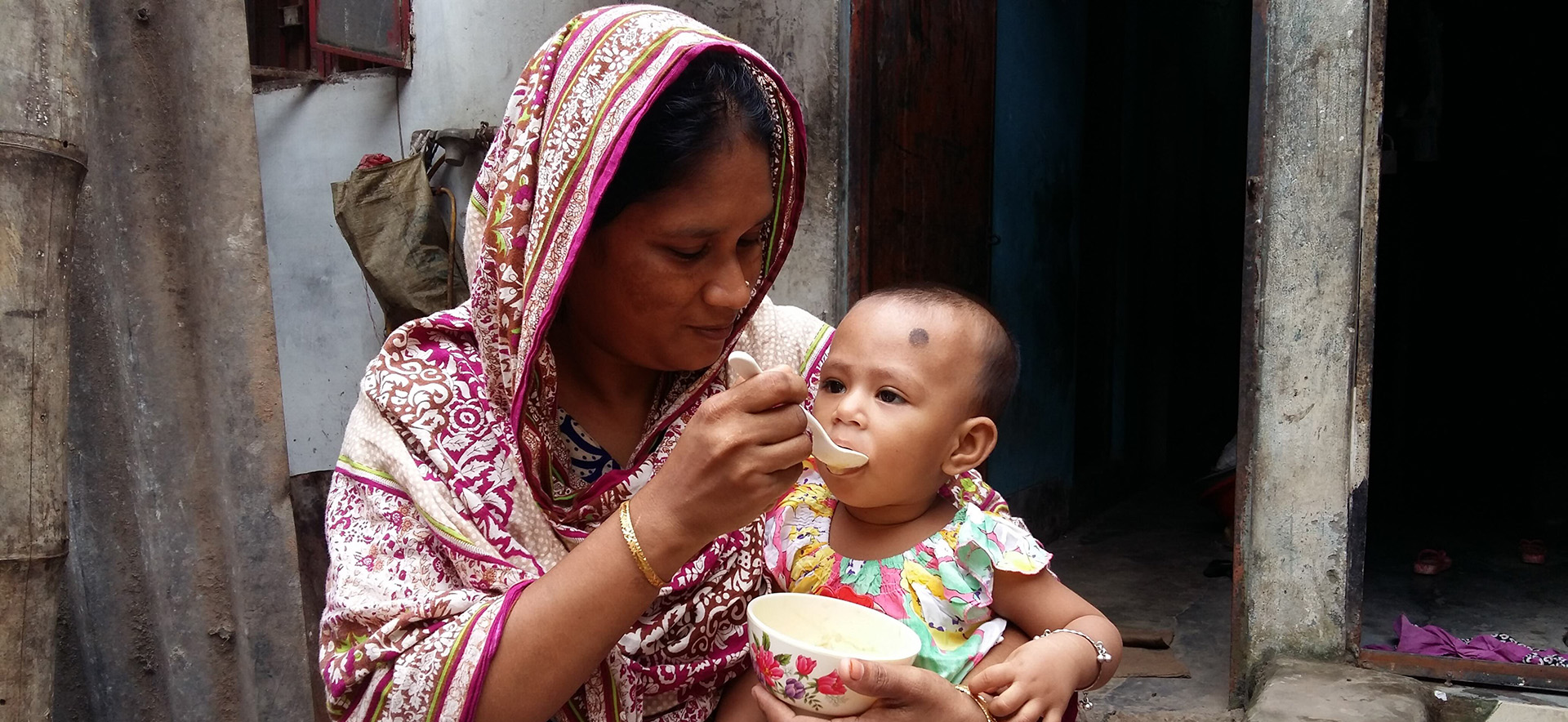
Photo Credit: International Centre for Diarrhoeal Disease Research
By David Levin
April 3, 2026

Jeffrey I. Gordon, genomics and systems biology researcher at Washington University School of Medicine in St. Louis
A founding father of microbiome research is honored for discoveries that have transformed our understanding of human health—and is leading to new treatments for childhood malnutrition.
Brandeis University has named Jeffrey I. Gordon, genomics and systems biology researcher at Washington University School of Medicine in St. Louis, as the 2026 recipient of the Jacob and Louise Gabbay Award in Biotechnology and Medicine.
The Gabbay Award, given annually to scientists whose work exhibits outstanding scientific content and significant practical applications in the biomedical sciences, recognizes Gordon's discoveries about the role of the gut microbiome — the vast community of microbes living in our digestive systems that contains over 100 times more genes than in our human genome — in shaping human health and disease. Gordon will give a public lecture on his research this fall at Brandeis University in Waltham, Massachusetts.
Widely known as the “father of microbiome research,” Gordon has spent three decades establishing that the tens of trillions of microbes we carry in our bodies are active partners in our biology, influencing everything from metabolism and immunity to brain development.
"Dr. Gordon’s work epitomizes the ground breaking science and real world impact that the Gabbay Award recognizes. His creative and insightful experiments have elucidated the role of the gut microbiome in human health, leading to the development of microbiome-directed therapies for a host of diseases” said Lizbeth Hedstrom, professor of biology and chemistry at Brandeis, and chair of the Gabbay Award committee. "We are thankful to the Gabbay Foundation for entrusting the award to Brandeis and giving us the opportunity to recognize such remarkable scientists.”
One of the most consequential outcomes of his basic studies of how the gut microbial community is assembled following birth and how its members interact with one another and their host, is his work childhood malnutrition which affects hundreds of millions of children worldwide. Gordon's team discovered that these children have abnormally developing gut microbiomes.
Using germ-free mouse models and randomized clinical trials conducted in Bangladesh, his lab identified specific bacterial strains involved in healthy growth and developed affordable, locally sourced food formulations specifically designed to target these microbes and repair the children’s microbiomes. The results were striking: those who received these microbiome-directed foods showed significantly better growth than those on standard therapeutic diets, even though the new foods contained fewer calories.
Gordon has published more than 570 papers, trained 151 PhD students and postdoctoral fellows, and received numerous international honors, including the Balzan Prize, the Princess of Asturias Award, and the Copley Medal from the Royal Society.
The Gabbay award consists of a $25,000 cash prize and a medallion. Established in 1998 and administered by Brandeis University, the honor was renamed the Jacob and Louise Gabbay Award in Biotechnology and Medicine in 2016 to honor Louise Gabbay's instrumental role in the award’s founding.