Brandeis student wins $10,000 grant to build conflict early warning system in Pakistan
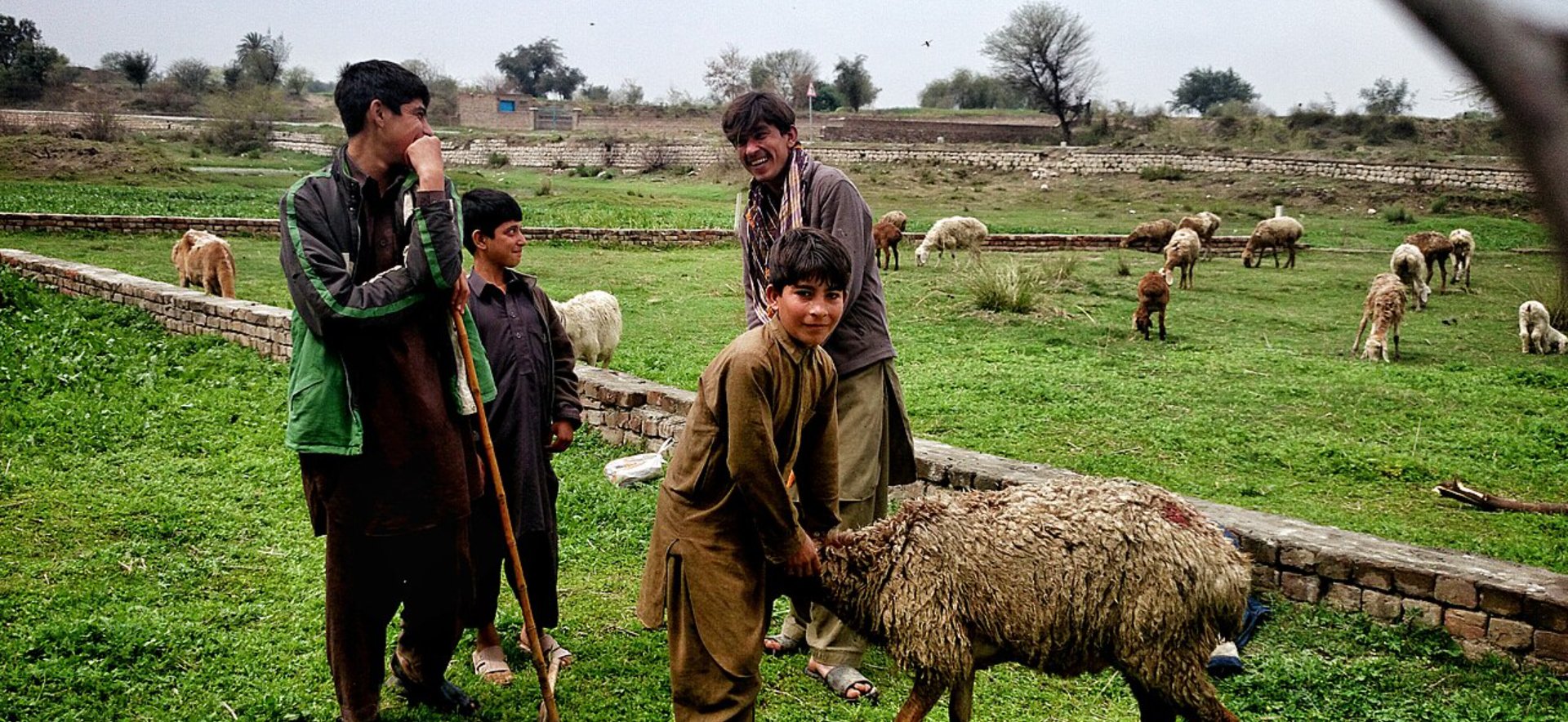
Photo Credit: Zohaibtariq1/Wikimedia Commons
By David Levin
April 27, 2026
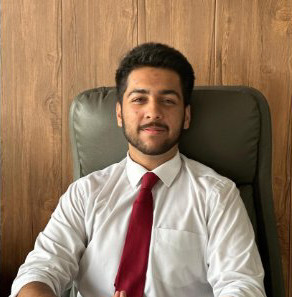
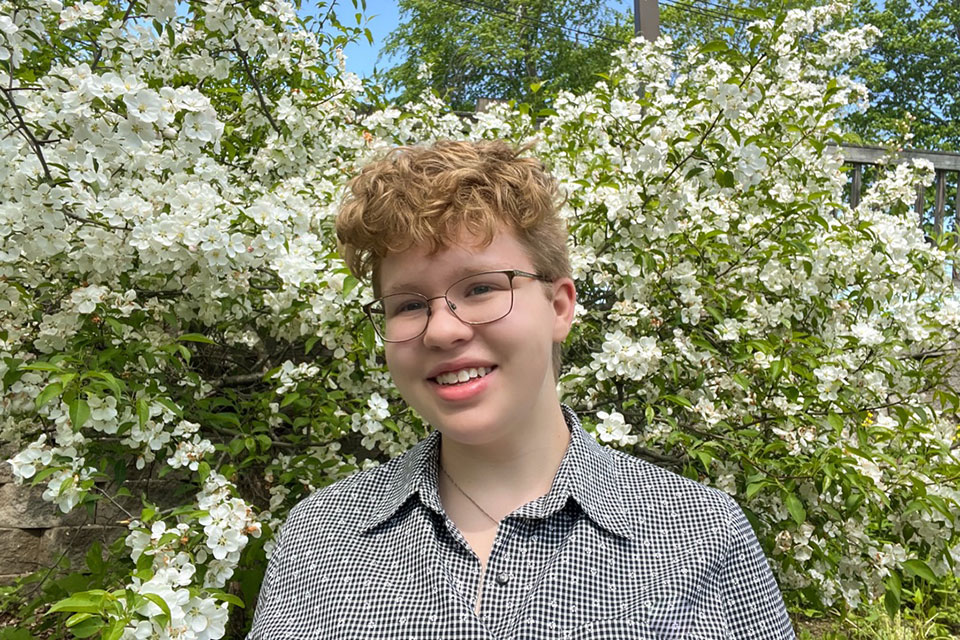
Ali Arshad '28 (courtesy Ali Arshad)
Ali Arshad ’28, a Wien Scholar and first-generation international student from Chakwal, Pakistan, has been selected as Brandeis University’s 2026 Projects for Peace grantee. He will receive $10,000 to develop a community-based early warning system designed to prevent sectarian violence in rural villages in his home district.
Arshad is no stranger to community-based work. At Brandeis, he founded the Brandeis Peace Club, the university's first student-run think tank focused on global conflict and conflict resolution. He also previously led a measles vaccination campaign in Chakwal and earned the COMPACT x Brandeis Library Research Excellence Prize for a policy brief on Pakistan's polio eradication program.
His latest project through Projects for Peace involves the Nambardar system, a network of government-recognized village leaders who serve as trusted intermediaries between communities and local authorities in Pakistan. By training those leaders in conflict resolution and building a cross-village communication network, his project aims to identify early signs of sectarian tension — like rumors, hate speech, and social polarization — before they escalate into violence. The model is designed to be self-sustaining and replicable across Pakistan.
Read more about Arshad's project on the COMPACT website.