New ‘birth plan-plus’ developed at Brandeis puts people with disabilities in charge of their pregnancy journeys
By Steve Foskett
March 17, 2026
When she was pregnant with her daughter, Nicole Lomerson was well aware of the sea of “mommy blogs,” message boards, and Facebook groups out there that offer support and encouragement for expectant parents.
They were helpful, to a point, but Lomerson, a researcher at the National Center for Disability and Pregnancy Research at Brandeis, said that as a pregnant woman with a disability, she had unique circumstances that these resources weren’t addressing.
“There’s this whole internet mom culture that disabled women may not see themselves in,” she said.
An innovative new tool, developed with a grant awarded to the center through the National Institute on Disability, Independent Living, and Rehabilitation Research, is designed to shift those perceptions and support parents with disabilities during their pregnancy journeys.
Kara Ayers, a national disability policy expert, psychologist, researcher, and advocate serving as Associate Director of the University of Cincinnati Center for Excellence in Developmental Disabilities (UCCEDD), has developed the Accessible Pregnancy Action Plan, or APAP, a new approach that empowers people with disabilities and ensures their priorities are clearly communicated in a healthcare system that treats their often unique needs as afterthoughts or risks to be managed. Ayers partnered with Lomerson and a team at the pregnancy research center, which is part of the Lurie Institute for Disability Policy, to bring the plan to completion.
Unveiled at the end of last year, the APAP is an evidence-based, disability-inclusive birth plan, designed by disabled parents for disabled parents. The plan shares knowledge and experience while addressing long-held stigmas surrounding pregnancy and disability. The Facilitators Guide is available for free through the center’s website, and will be also disseminated through a series of upcoming webinars. Ayers is also exploring the feasibility of future “train the trainer” workshops for facilitators in partnership with disability advocacy organizations A small pilot run by Ayers has produced positive early feedback.
“This matters because pregnancy and parenting resources are everywhere, but almost none of them start with the assumption that disabled people are capable parents who deserve support designed for our actual lives,” Ayers said. “Most existing tools either ignore disability entirely or treat it as a complication to be managed. The APAP flips that script. It says: Your disability is part of who you are, your priorities matter more than protocols, and you deserve care that empowers you, rather than just manages risk.”
Developing the plan: Q&A with Kara Ayers
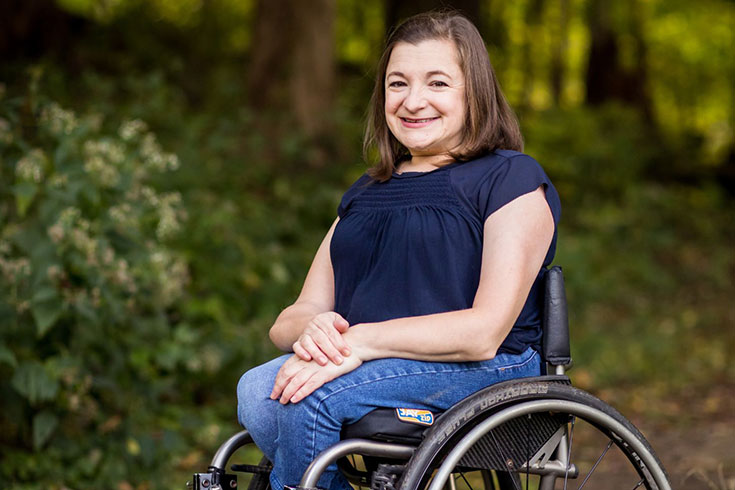
Read more about how Kara Ayers, a nationally renowned disability policy expert, partnered with the Lurie Institute's National Institute on Disability, Independent Living, and Rehabilitation Research to bring the Accessible Pregnancy Action Plan to completion.
Q&A with Kara AyersHow the plan works
With a peer facilitator, participants co-create a birth plan tailored to their specific needs. Facilitators are required to have a disability and have experience with pregnancy. It can address everything from pain management and ensuring they will get assistance with transitions, to clear communications about how they want to approach breastfeeding.
“This is a ‘birth plan plus,’ and what is really unique and innovative is the peer-led model. Unlike traditional birth plans, this tool was designed by and for disabled people, grounded in lived experience as well as research evidence” said Monika Mitra, director of the Lurie Institute. “We have been at the forefront of research addressing maternal health disparities and advancing disability health equity. What makes this effort especially meaningful is that it offers a tangible tool - something we can point to that disabled people can take with them as they embark on their pregnancy and birth journey.”
Why it’s unique
There are other disability-specific birth plan resources available, but they tend to lean toward “over-medicalizing” the process and focusing on specific procedures and what the provider's role would be, Lomerson said. The APAP is the first disability-inclusive plan that also takes into account stigma, discrimination, and social and emotional support.
“It considers all of the psychosocial things that pregnant people with disabilities have to think about,” she said. “Who are your support people? You know, you may need support, not just during labor, but you may need ongoing continued support as you move into postpartum. And how do you talk about discrimination and stigma with providers if you feel like you're being discriminated against?”
Lomerson said the peer facilitation piece of the plan is critical, and is just as important as the evidence being created by the research on disability and pregnancy.
“It’s that lived experience,” she said. “There’s this almost instant understanding in this population when you’re having a peer-to-peer interaction.”