WSRC event examines Bad Bunny, salsa and the ‘Nuyorican’ moment in America
By Heejae Kim ’28
March 12, 2026
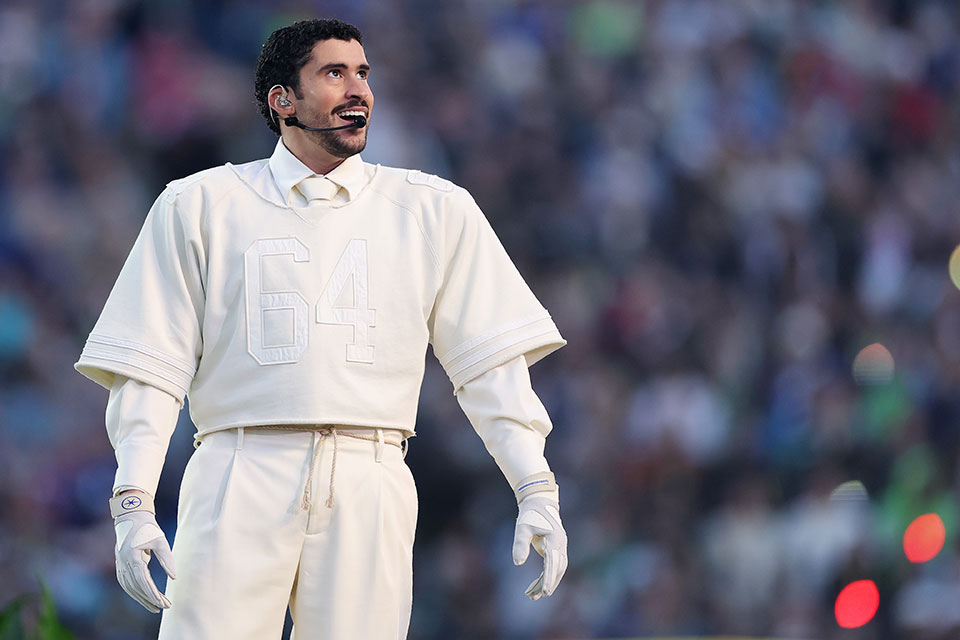
Bad Bunny’s halftime show at the Super Bowl earlier this year took the U.S. and the world by storm for his performance that grandly honored Puerto Rican culture as part of America.
His performance accumulated more than 4.1 billion views in 24 hours. With that influx of attention came the opportunity to investigate the emergence of “Nuyorican” music and salsa dancing’s current moment in popular culture.
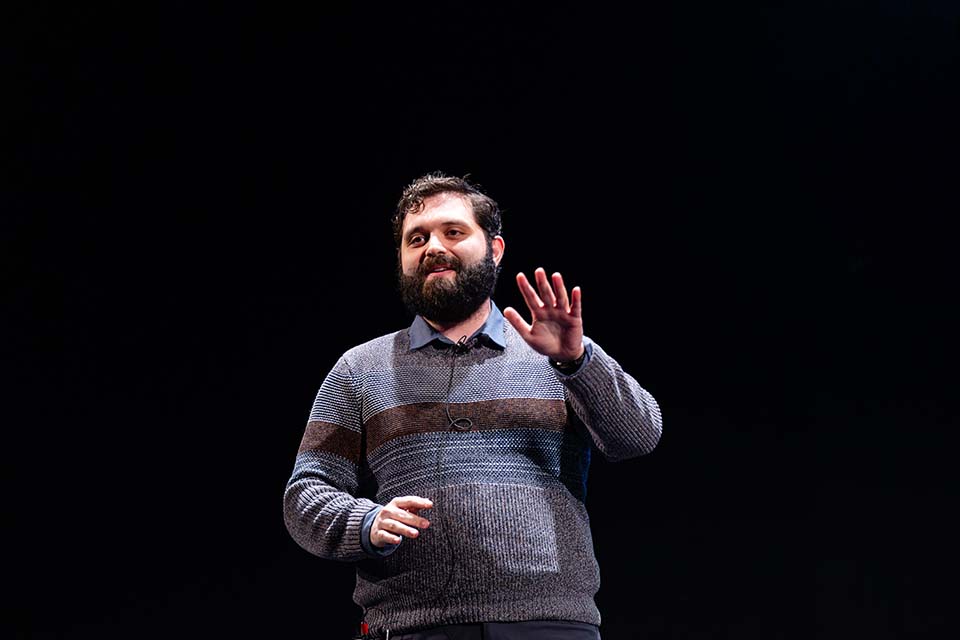
At a recent forum at Brandeis, sponsored by The Women’s Studies Research Center, author, professor and WSRC scholar Marisol Negrón sat with Professor Faith Smith, the Marta F. Kauffman Chair in African and African American Studies, to unpack just how much salsa and Nuyorican rhythms have influenced American political and cultural identity.
Negrón, a professor at UMass Boston and author of “Made in NuYoRico: Fania Records, Latin Music, and Salsa’s Nuyorican Meanings,” explained that salsa was birthed in New York City in part by the Nuyorican, or New York Puerto Rican, community and became a crucial part of their culture, livening up nightclubs, creating an image of “hustling musicians,” and developing a sense of pride in their specific identity, which is often generalized and grouped with other cultures as the Latin community.
“Music not only reflected the everyday lives of poor and working class Puerto Ricans, but that became a way in which Puerto Ricans expressed themselves as both [New Yorkers and Puerto Ricans],” Negrón said.
Especially with the boom of popularity salsa experienced in the 1970s, the genre “displaced the idea of here and there,” Negrón said, noting that Bad Bunny also does this in his show by featuring Puerto Ricans as Americans in a current political climate where it seems as though the notion of American identity is being tightened, and is becoming more exclusive every day.
The audience at the recent event included students, professors, and WSRC alumni. An audience member asked about Bad Bunny’s impact on overall cultural acceptance. Negrón, referring to his performance and music in general, said he “isn’t going to liberate us,” but that the moment he created is a step toward being more progressive about belonging, and an example of how powerful music can be to community empowerment in a state of systematic disadvantage.