Brandeis Magazine
The Liberal Arts Advantage
Prominent alumni reflect on how their Brandeis education sharpened their critical-thinking skills, set them up for career success and fostered lifelong curiosity.
Years before co-creating the hit sitcom “Friends,” Marta Kauffman ’78, H’20, was exploring far-off galaxies, in a science fiction course at Brandeis.
The class sparked an unexpected and lasting passion for the genre in Kauffman. In fact, the powerhouse producer, who also created the Netflix hit “Grace and Frankie,” is currently developing a sci-fi project for television.
“If not for the liberal arts, I never would’ve discovered this genre that really fires me up,” Kauffman says. More important, she adds, her studies helped teach her “how to be a human being” (so much so that, when the Producers Guild of America gave her a lifetime achievement award in 2020, it lauded her “deep understanding of emotion, comedy and human drama”).
Kauffman’s story is hardly unique. Alumni across all professional fields draw on their liberal arts backgrounds to lead lives and careers that make an impact. Here, six prominent Brandeisians share how the liberal arts shaped the way they think about the world and prepared them for success.
Adam Cheyer ’88
Tech entrepreneur and Siri inventor
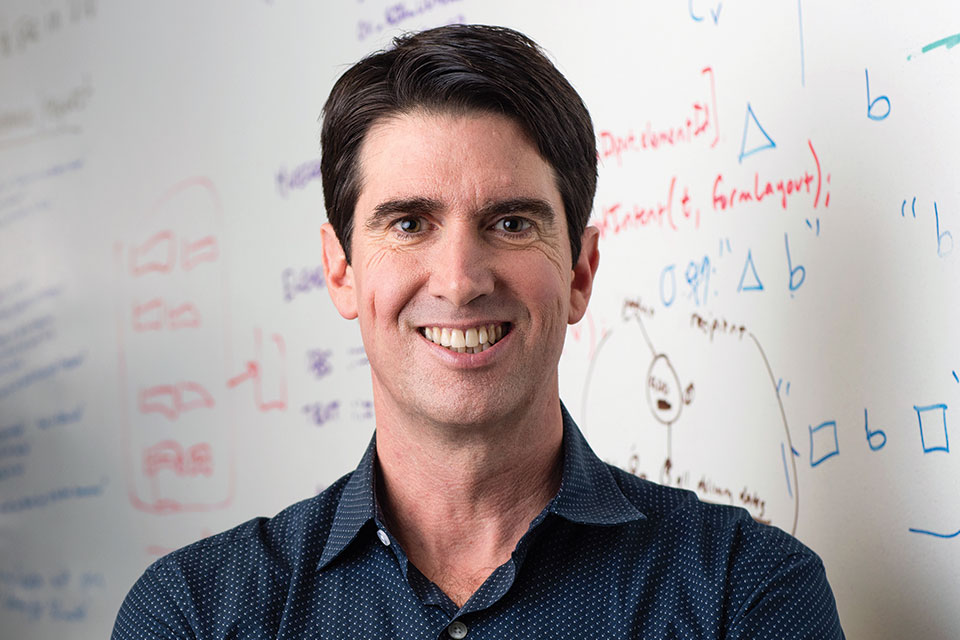
“Brandeis gave me a 360-degree view on the subject that interested me most: the human mind. I have always been curious about how we think. So I took linguistics, philosophy, psychology, sociology and computational neuroscience. That’s not typical for someone planning to work with computers. Being able to mix in all these different disciplines and get all these different perspectives, then ultimately focus on artificial intelligence — I don’t think I could have done this anywhere else besides Brandeis. Exploring how the brain works, how language functions, and the deep philosophical and psychological questions around consciousness has brought a richness and depth to everything I’ve done throughout my career.”
Marta Kauffman ’78, H’20
Co-creator/executive producer of “Friends”
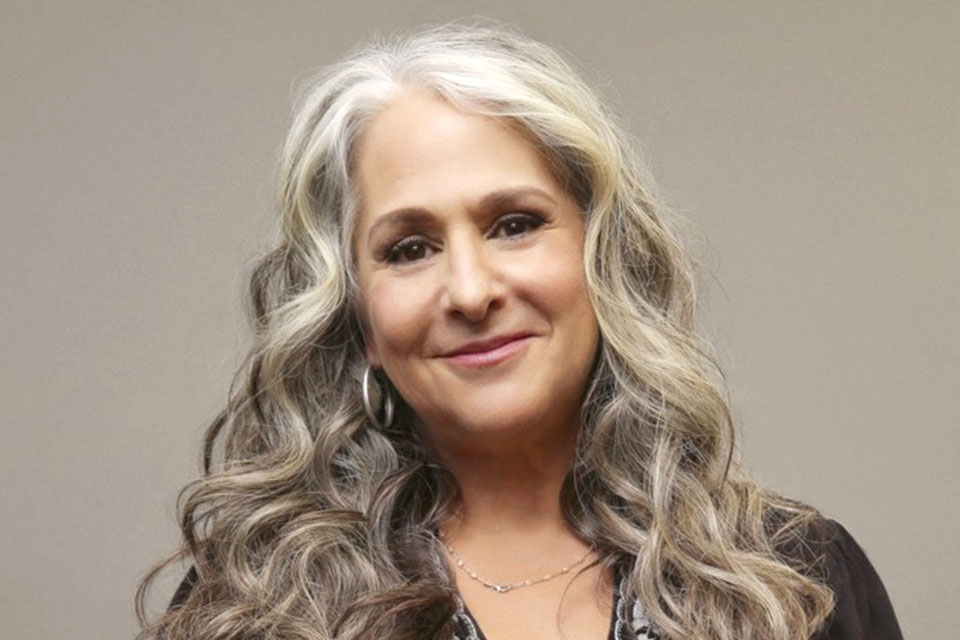
“While I loved my theater major classes, I was exposed to whole new ways of thinking in my science, women’s literature and French classes. That well-rounded education really changed my perspective about the world and informed how I approach my work. It gave me a lifelong love of literature, too. I’ll read something now and think, ‘I have to develop that [for television].’ I’d say one of the most important things I learned from studying the liberal arts is to just be curious about things. Curiosity is mind-expanding.”
Drew Weissman ’81, GSAS MA’81, P’15, H’23
2023 Nobel Prize winner for scientific discoveries that enabled the development of mRNA vaccines
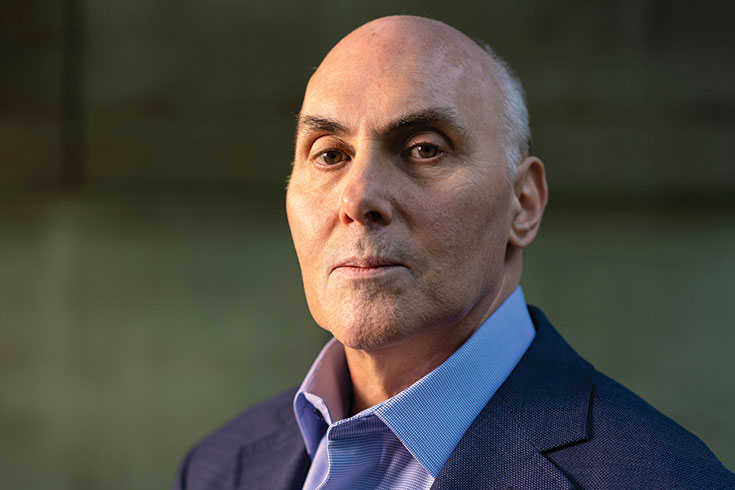 “My liberal arts education fostered critical-thinking, problemsolving and communication skills I’ve used throughout my career. In the next 10, 20 or 30 years, our society will face challenges we can’t even imagine. Knowing how to evaluate new information, ask the right questions and consistently learn — all skills developed in the liberal arts — serve both Brandeis students and our world very well.”
Melissa Crane ’86
New York State Supreme Court justice
“A court case is often like an English paper. It can boil down to the meaning of language and the relationship between the characters involved. As a judge, I often apply the critical-thinking skills and processes I learned at Brandeis in my decision-making. Brandeis taught me to question every premise. This constant questioning helps me look at both sides carefully. People often ask me, ‘What inspired you to become a judge?’ In large part, it was the deep commitment to justice that studying the liberal arts at Brandeis instilled in me.”
Roy DeBerry ’70, GSAS MA’78, PhD’79, H’24
Nonprofit founder and former university vice president
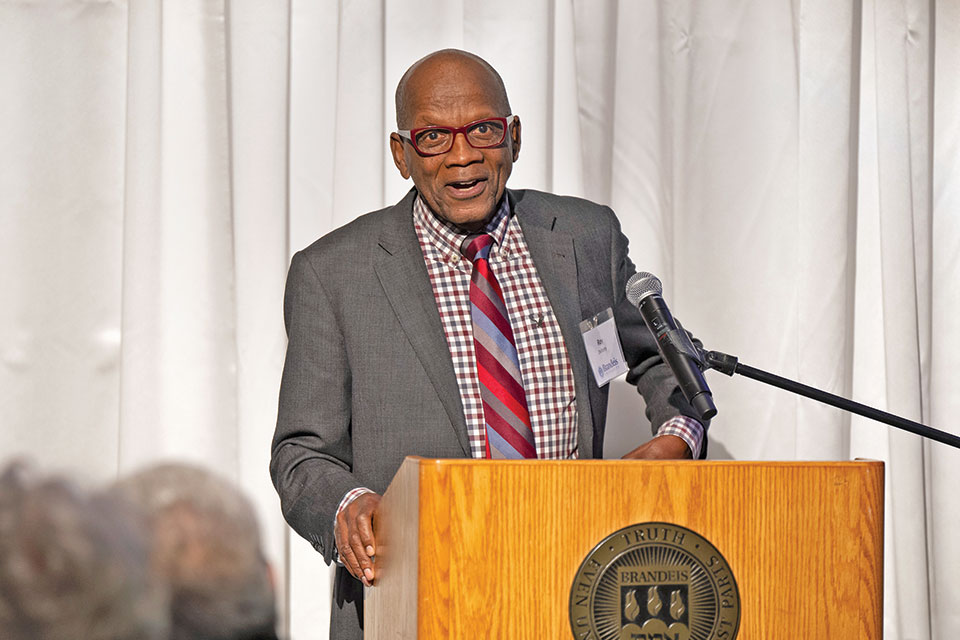
“The liberal arts education I received at Brandeis shaped my entire career. It gave me the flexibility to move among teaching, public service, university leadership and nonprofit work. More than just giving me academic knowledge, it taught me to think critically, question assumptions and engage deeply with the world around me. In an era where intellectual inquiry is under threat, the liberal arts prepare us not just for jobs, but for thoughtful, purposeful lives. Whether you enter medicine, engineering, tech, education or the nonprofit sector, that foundation helps you lead, adapt and contribute meaningfully to society.”
Jason Gray ’10, GSAS MA’10
Investment executive, Pritzker Vlock Capital Management

“My education at Brandeis wasn’t just about passively taking in information. It was about engaging with ideas and concepts through discussion and debate with my professors and classmates — in class, in the dorms and through campus activities. That helped shape what I believe and, perhaps more important, taught me how to think things through and figure things out going forward. In my work in finance, companies are not spreadsheets, and decisions don’t just pop out of a financial model. The challenge is getting the right people and the right plan in place, and navigating together through uncertainties and twists and turns to achieve important goals. What I learned at Brandeis helps me tremendously in that regard.”
Reinventing the Liberal Arts
 Debates around the value of a liberal arts education have been in the headlines recently. Is it still relevant in the 21st century? Does it prepare students for good jobs? Can studying history, sociology or chemistry prove helpful to aspiring engineers, budding accountants or future entrepreneurs?
Brandeis believes the answer to all these questions is yes. In a world defined by complexity, change and challenge, the liberal arts are a necessity.
“The study of the liberal arts has never been more vital,” says President Arthur Levine ’70. “It equips students with the skills to think critically, question assumptions and build empathy. These skills are essential in our global digital knowledge economy.”
Yet, as the world evolves, so must the liberal arts. That’s why Brandeis has embarked on a bold new initiative, the Brandeis Plan to Reinvent the Liberal Arts. The goal? To ensure students are prepared to thrive and lead in a rapidly changing world, through a mix of academic knowledge and practical application.
Key components of the plan include expanded career preparation that begins during students’ first months on campus, a second transcript that demonstrates students’ proficiency in specific skills and competencies to employers, new majors in vital fields like engineering science and quantitative economics, and a streamlined academic structure that fosters innovation and collaboration.
The plan will help Brandeis produce adaptable graduates who can analyze complex challenges from diverse perspectives; collaborate across fields; apply their knowledge in realworld settings; and lead with insight, empathy and impact.
For more details on the Brandeis Plan to Reinvent the Liberal Arts, see the interview with President Levine.