Featured Courses
Each semester, the School of Social Sciences and Social Policy offers new and updated courses taught by our award-winning faculty. Below you will find a list of featured courses for the upcoming semester. You are encouraged to consult with your adviser and review your degree program prior to registering for classes.Spring 2026

M,W 2:30 PM–3:50 PM
Lown 302
Professor Brandon Callender
Cross listed with African and African-American Studies.
Examines black queer men’s sexualities in the field of twentieth and twenty-first century American literatures. Our focus on “getting behind” draws together topics that we will explore throughout term. These include varying attitudes that black queer writers have toward cruising and intimacy; falling behind the times; and falling behind at work, or in life, because of certain sexual pursuits. Usually offered every third year.
Heller-Brown G053
Professor Leonard Saxe
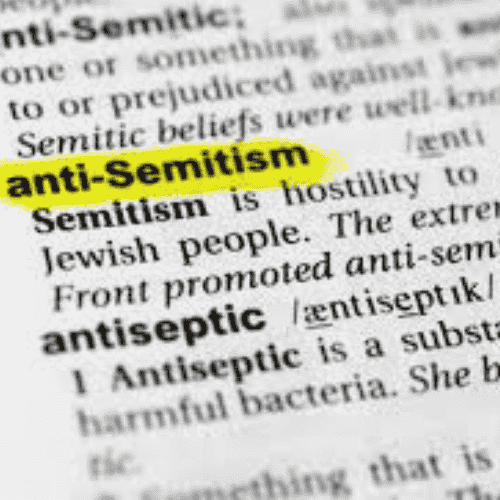
Examines contemporary antisemitism and programs/policies designed to address anti-Jewish hatred. Course content is multidisciplinary, drawn from political science, social psychology, and sociology. Students will have an opportunity to collect/analyze their own data and develop a policy analysis. Usually offered every year.

Photo Credit: Mosaic by Lilian Broca (2006)
T, F 11:10 AM-12:30 PM
Lown 202
Professor Madadh Richey
Cross listed with Women's, Gender, and Sexuality Studies.
The Bible's depiction of gender, relationships, and social values in narrative, poetry, and law. Topics include the legal status of women, masculinity, prostitution, and how particular readings of the biblical text have shaped modern ideas about gender and sexuality. Usually offered every third year.

M,W 2:30 PM-5:20 PM
Lown 103
Professor Daniel Kryder
The Trump administration has embarked on an ambitious initiative to significantly increase the formal and informal power of the American presidency. This course will examine the emerging literature on the ongoing reconstruction of this branch of government, with an emphasis on enforcement policies (e.g., criminal justice and immigration) and soft power techniques (e.g., persuasion and coercion through legal and cultural interventions), as well as Supreme Court rulings that affirm or constrain some of these practices. We will consider the theoretical, constitutional, and historical origins of this branch of government, and the more orthodox "modern" presidency of the 20th and 21st centuries to distinguish what are genuinely new and what are enhanced strategies and tactics. Usually offered every year.