
Category: Research
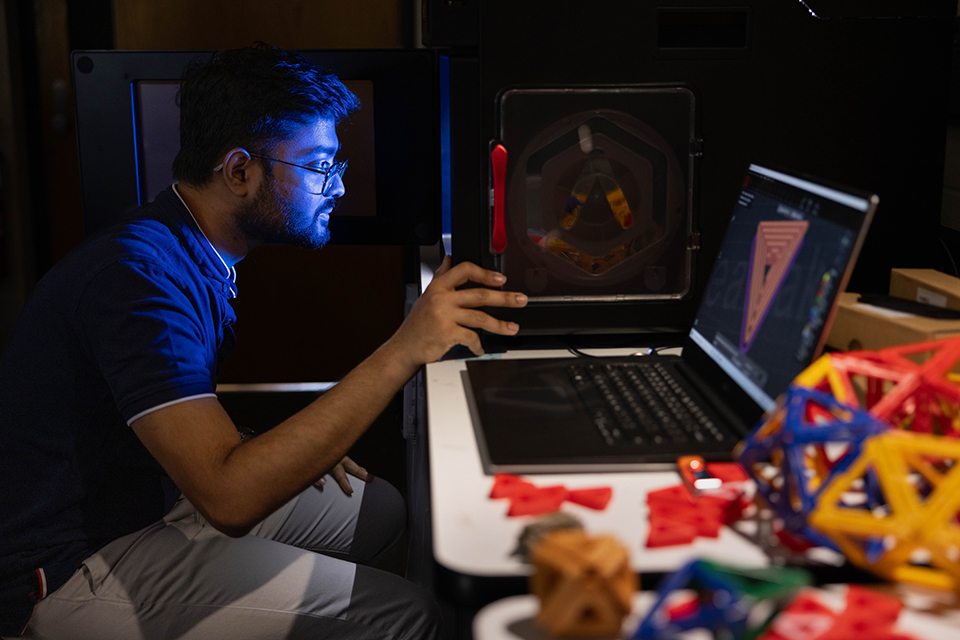 Scientific origami: Folding DNA into desired structuresSept. 8, 2023
BrandeisNOW spoke with Rupam Saha, a fourth year physics PhD candidate, to learn more about his summer in the lab.
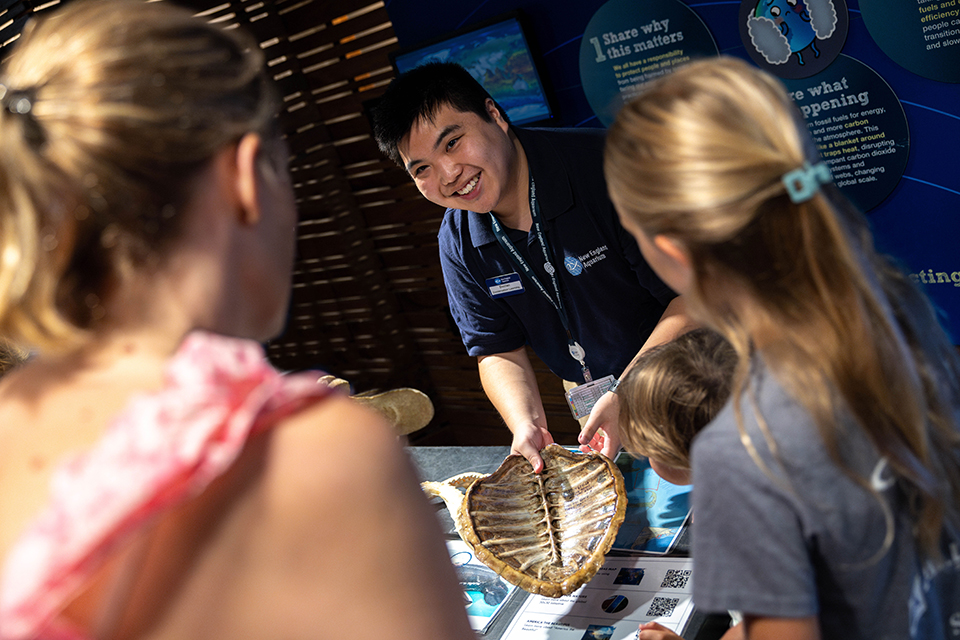 Fellowships introduce students to the World of WorkAug. 23, 2023
This year, 45 students received stipends of up to $6,000 to participate in internships at a wide range of workplaces across the globe, from the Jewish Public Library Archives in Montreal, to the Massachusetts State House and the New England Aquarium.
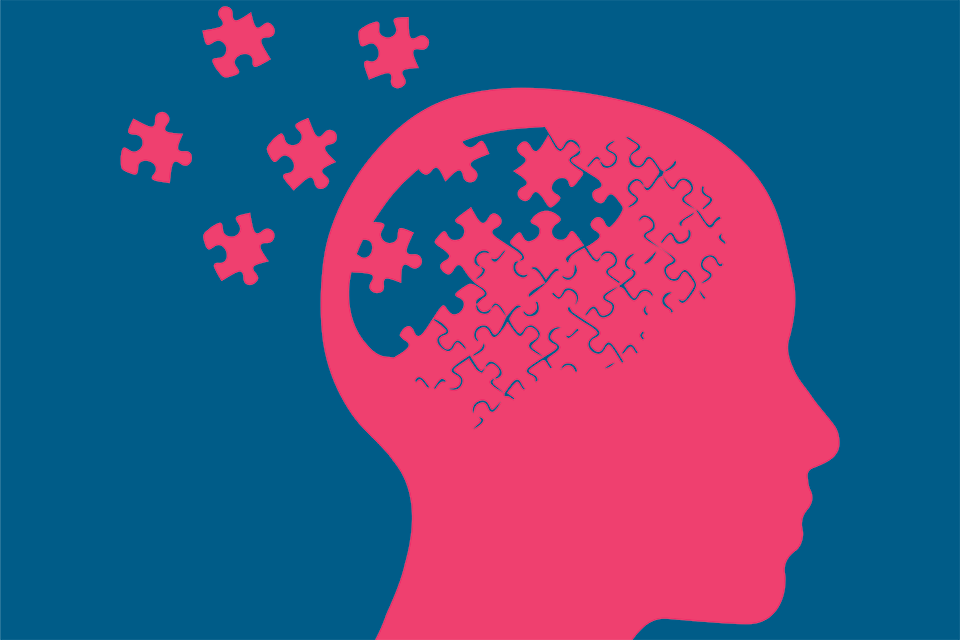 The urgency of Alzheimer’s researchAug. 18, 2023
BrandeisNOW spoke with Elizabeth Mahon, a psychology PhD candidate, to learn more about her summer in the lab.
Wrapping up a summer of science: SciFest 2023Aug. 15, 2023
After countless hours dedicated to summer research, undergraduate students with disciplines across the sciences come together to share their findings.
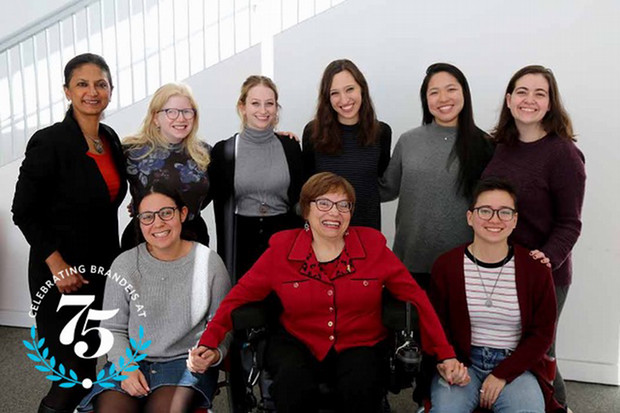 Disability research for a new generationAug. 7, 2023
The Lurie Undergraduate Fellowship offers opportunity to learn policy and create community.
 Coming full circle at the Large Hadron ColliderJuly 27, 2023
Brandeis’ high-energy physics group helped discover the Higgs boson, setting the stage for a major new wave of exploration.
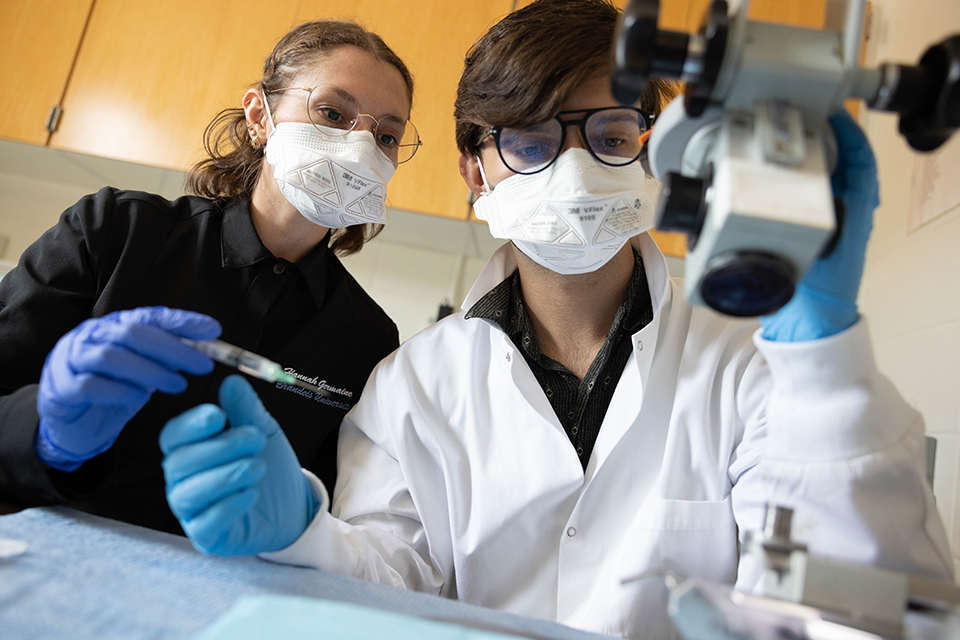 At the intersection of taste and smellJuly 27, 2023
While some spend their summer at the beach or basking in the sun, students from the Graduate School of Arts and Sciences are hard at work on their research. BrandeisNOW spoke with Thomas Gray, a neuroscience PhD candidate, to learn more about his summer in the lab.
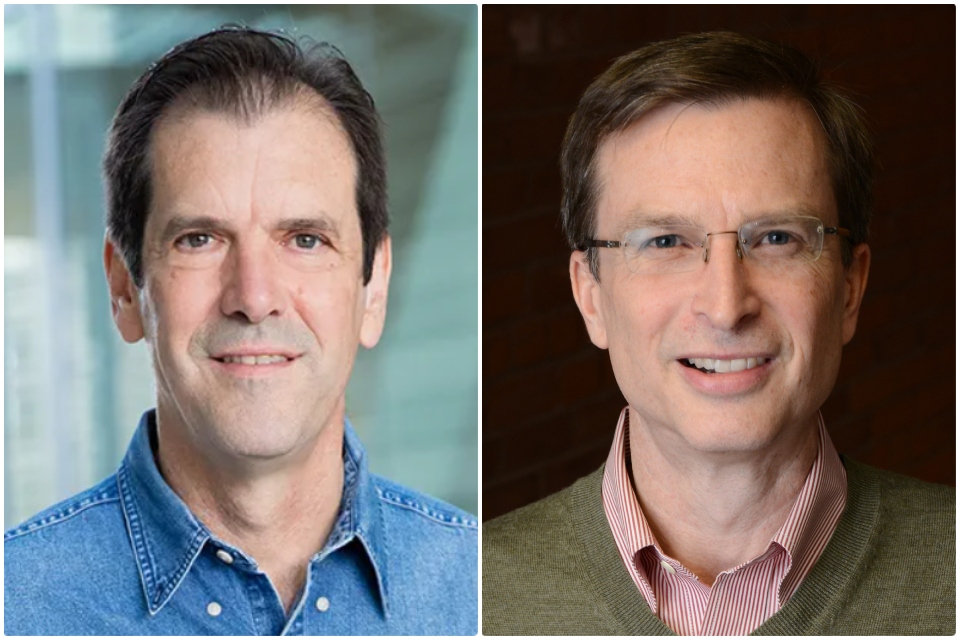 Scientists Craig Crews and Raymond Deshaies selected for Gabbay AwardJuly 9, 2023
Crews and Deshaies are trailblazers in the field of targeted protein degradation, opening new horizons for therapeutic interventions against cancer and other diseases.
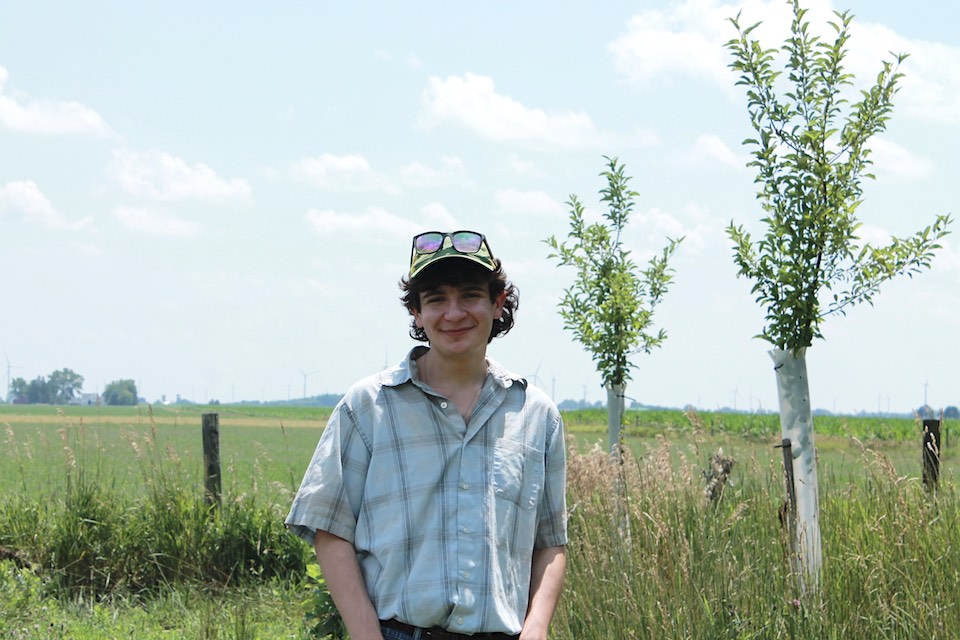 Daniel Block ’25 is cultivating sustainable agriculture and soil healthJuly 7, 2023
With funding from a Projects for Peace grant, Block is working toward making farming in rural Illinois more sustainable.
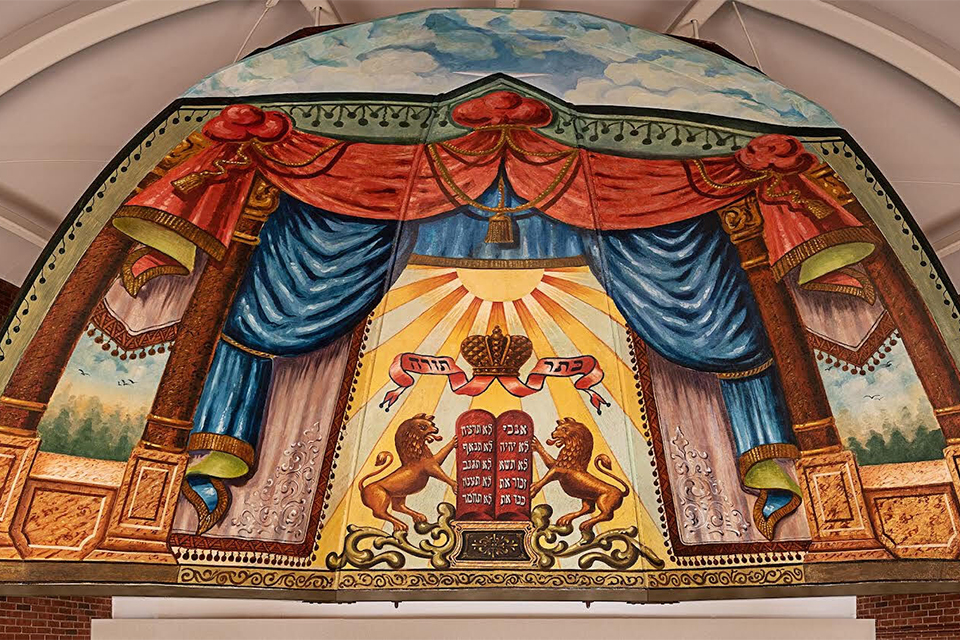 The quest to save a precious Jewish mural in VermontJune 23, 2023
Aaron Goldberg '79 helped preserve one of the few surviving examples of early 20th-century American synagogue murals.
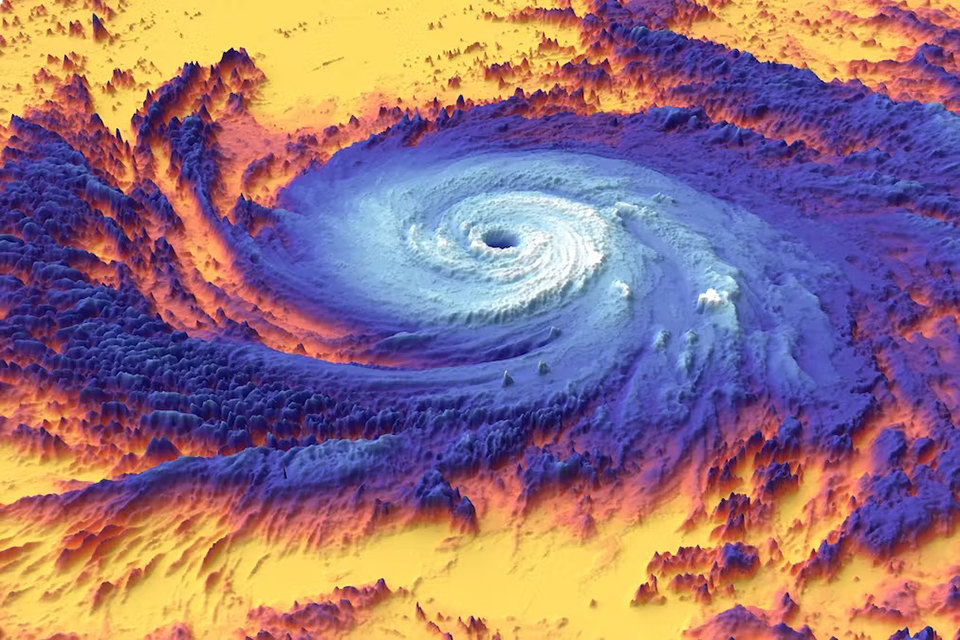 Hurricanes push heat deeper into the ocean than scientists realized, boosting long-term ocean warming, new research showsJune 20, 2023
A new study by professor Sally Warner shows that hurricanes don’t just churn water at the surface, they can also push heat deep into the ocean and ultimately affect regions far from the storm.
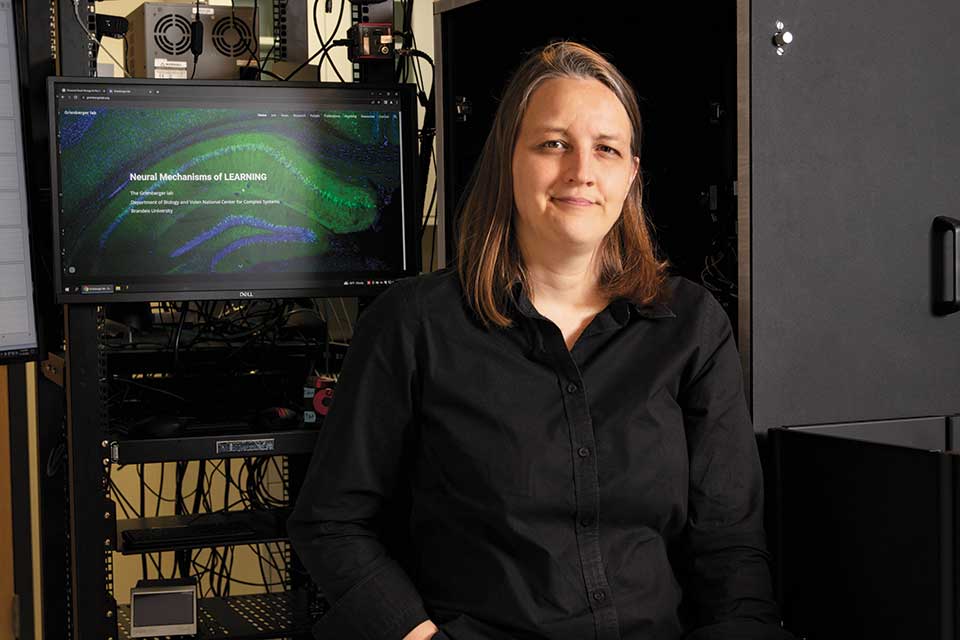 Biologist Christine Grienberger named 2023 Pew ScholarJune 13, 2023
The program is considered one of the country's most prestigious research awards for early career investigators in the life sciences.
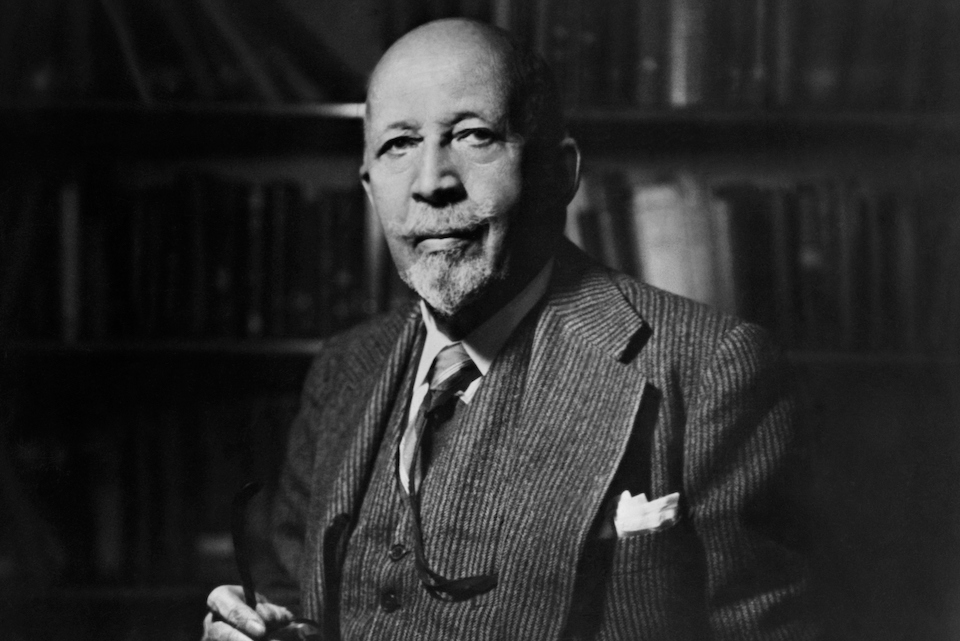 'The Wounded World': Du Bois' forgotten work on WWIJune 6, 2023
Professor Chad Williams' new book explores Du Bois' efforts to chronicle the Black experience during the Great War.
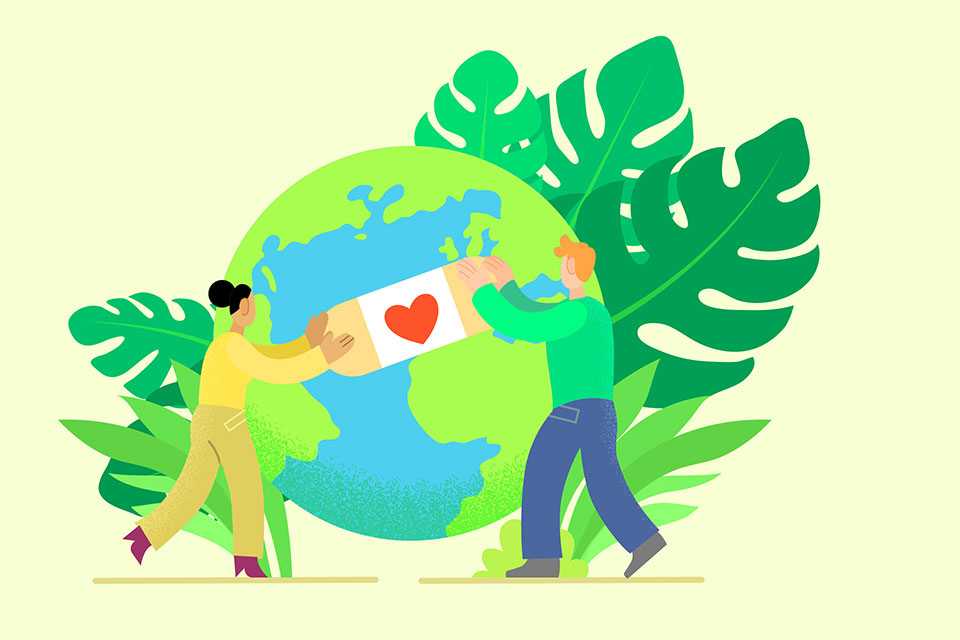 The world is broken, so humans must repair it: The history and evolution of 'tikkun olam'June 1, 2023
Today, tikkun olam — Hebrew for "repairing the world" — is often considered a cornerstone of Jewish identity. Professor Jonathan Krasner Krasner explains the history and evolution of the term.
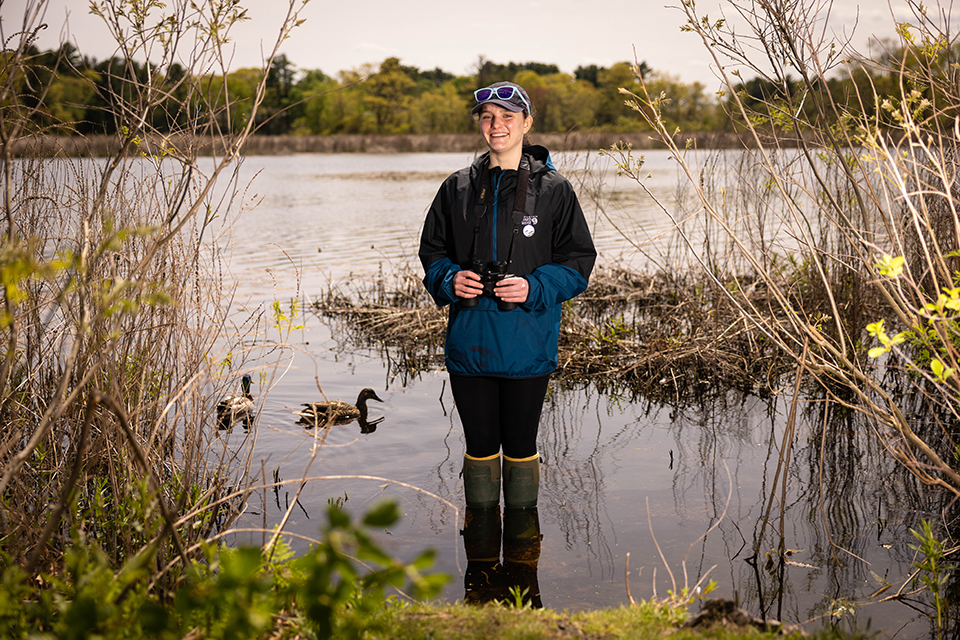 A new journey on the Niobrara National Scenic RiverMay 15, 2023
A desire to make a difference, a love for the outdoors and little help from her mentors helped Kate Danziger ’23 find her dream job.
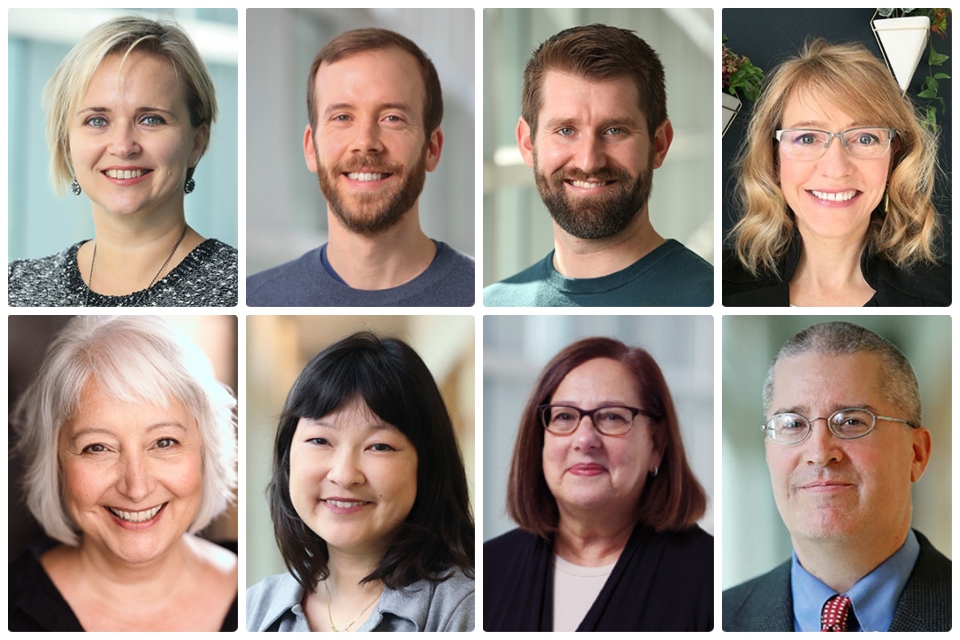 Faculty celebrated with teaching and mentoring awardsMay 5, 2023
Students, faculty and alumni annually offer nominations for the awards in the School of Arts and Sciences and Graduate School of Arts and Sciences.
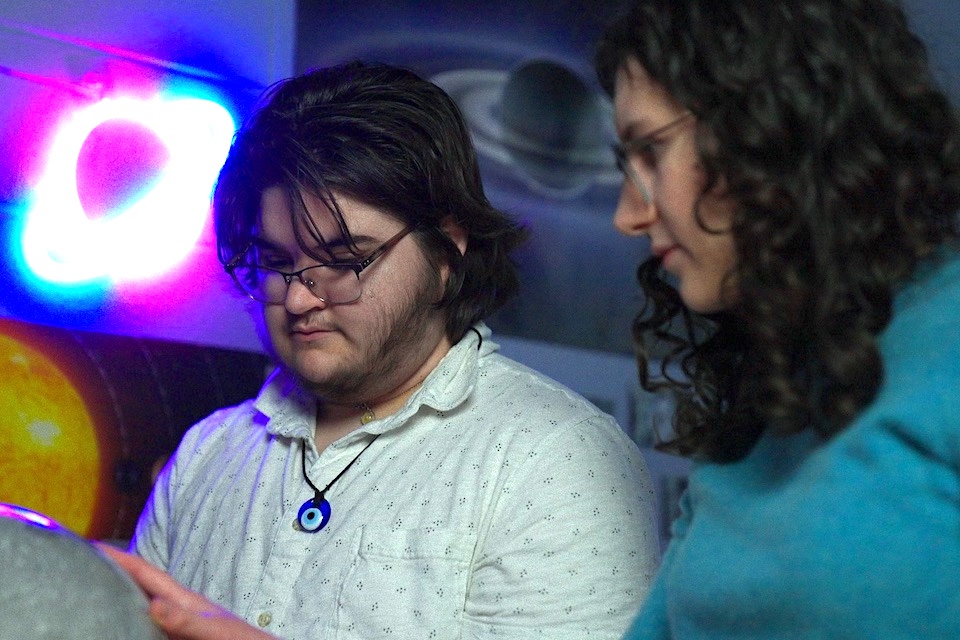 Brandeis Astronomy Club: Exploring the starsMay 5, 2023
Ever wonder what's out there past the Earth's stratosphere? Join The Brandeis Astronomy Club on their cosmic journey.
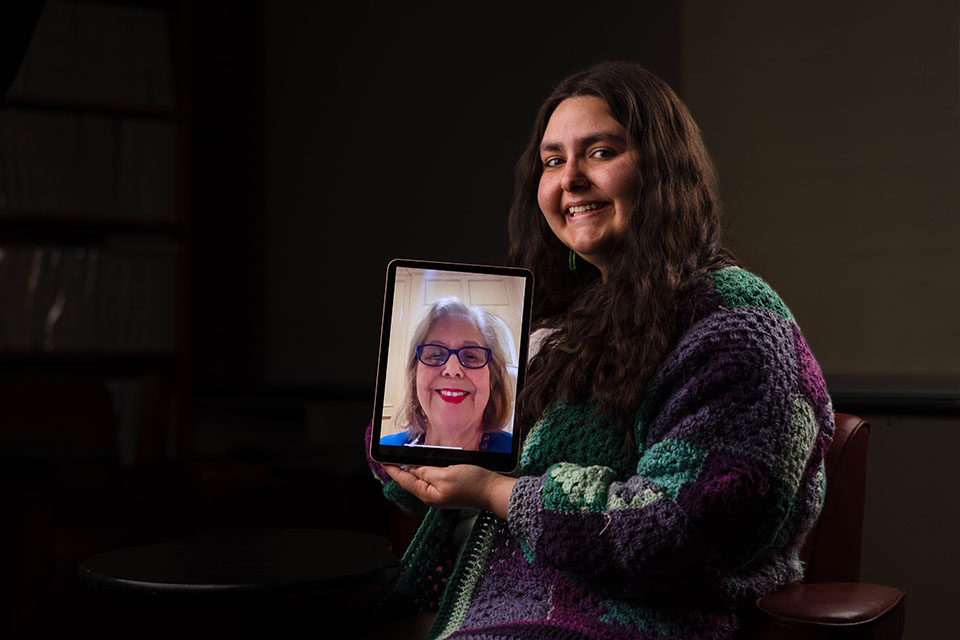 Exploring CHamoru traditions: An intergenerational storyMay 1, 2023
jessie neal, GSAS MA '23, has spent their graduate program dedicated to exploring CHamoru culture. Their greatest resource? Their grandmother.
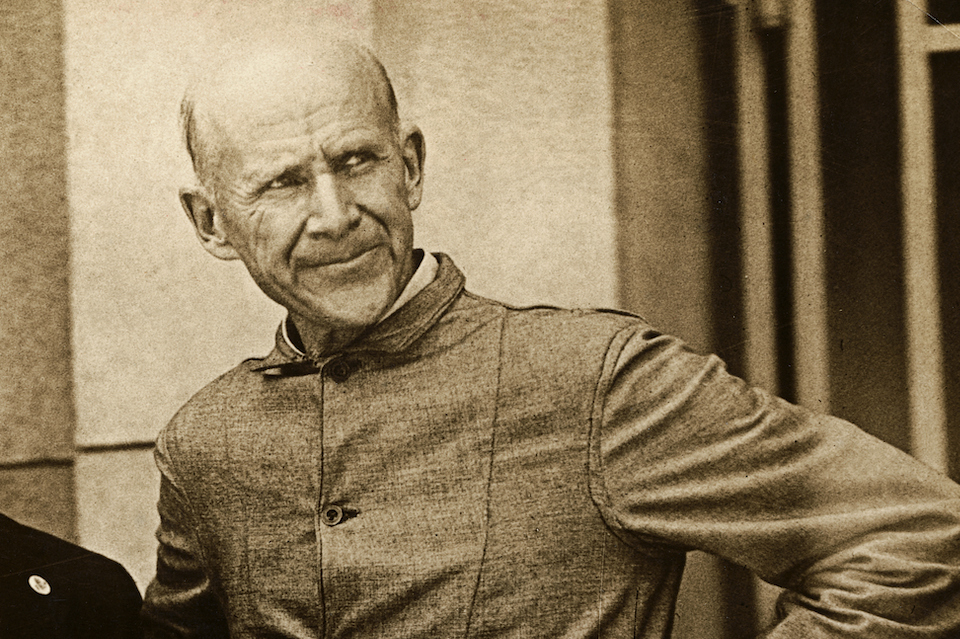 Eugene Debs: When a prisoner ran for presidentApril 21, 2023
Professor Thomas Doherty describes the history of the Socialist Party presidential candidate, who polled nearly a million votes in 1920.
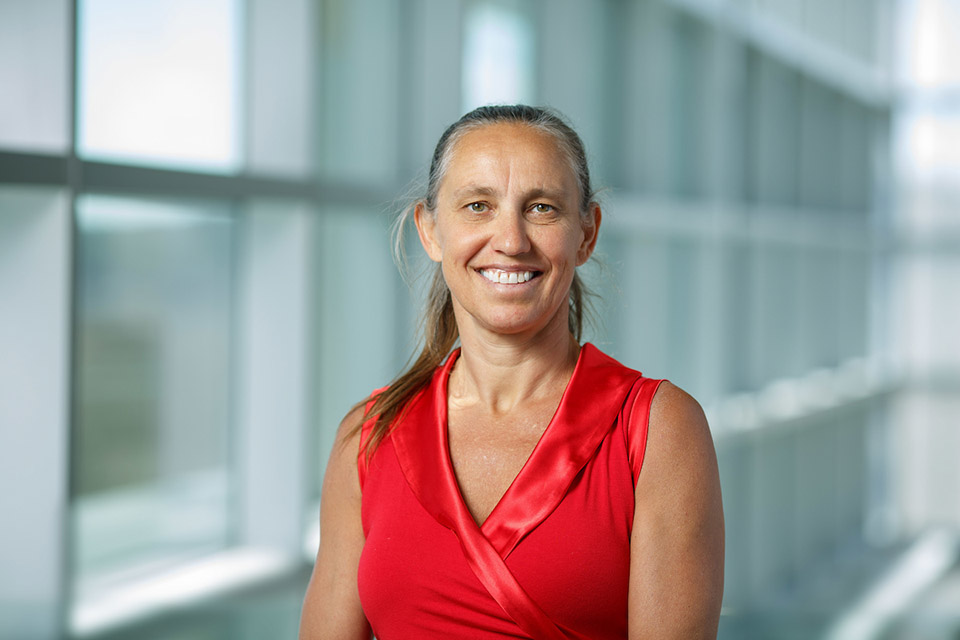 Professor Dorothee Kern is named to the American Academy of Arts and SciencesApril 19, 2023
Acknowledged for her accomplishments in the biological sciences, Kern is among 269 new members drawn from academia, the arts, industry, policy, research, and science.
 A fresh perspective on the Middle EastApril 18, 2023
A new podcast by Brandeis scholars aims to explore under-examined aspects of the Middle East and dispel misconceptions and assumptions.
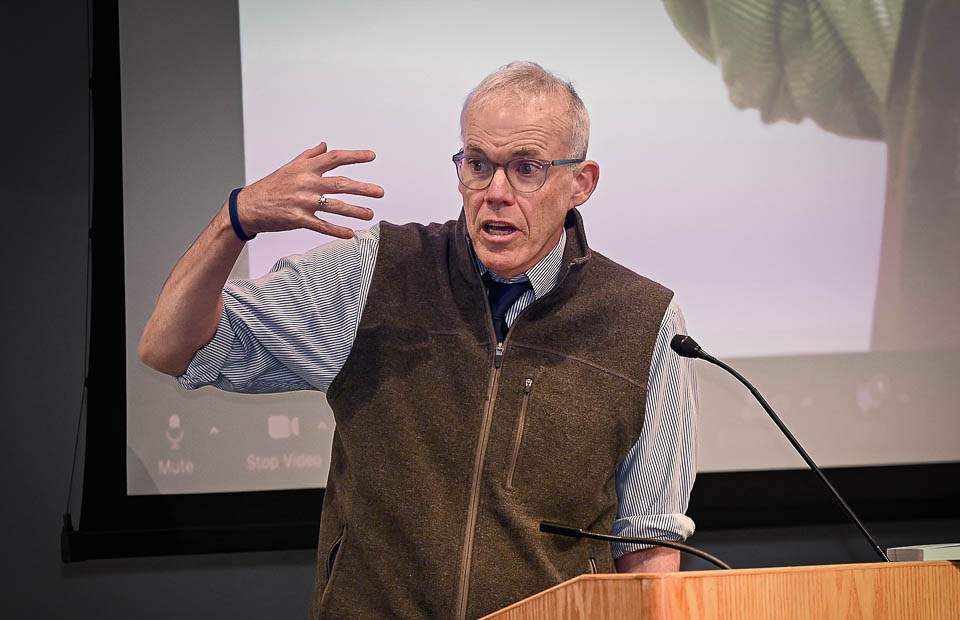 Bill McKibben: A united effort needed to tackle climate crisisMarch 31, 2023
The environmental activist and author visited Brandeis as part of a daylong conference in celebration of the 25th anniversary of the Center for German and European Studies
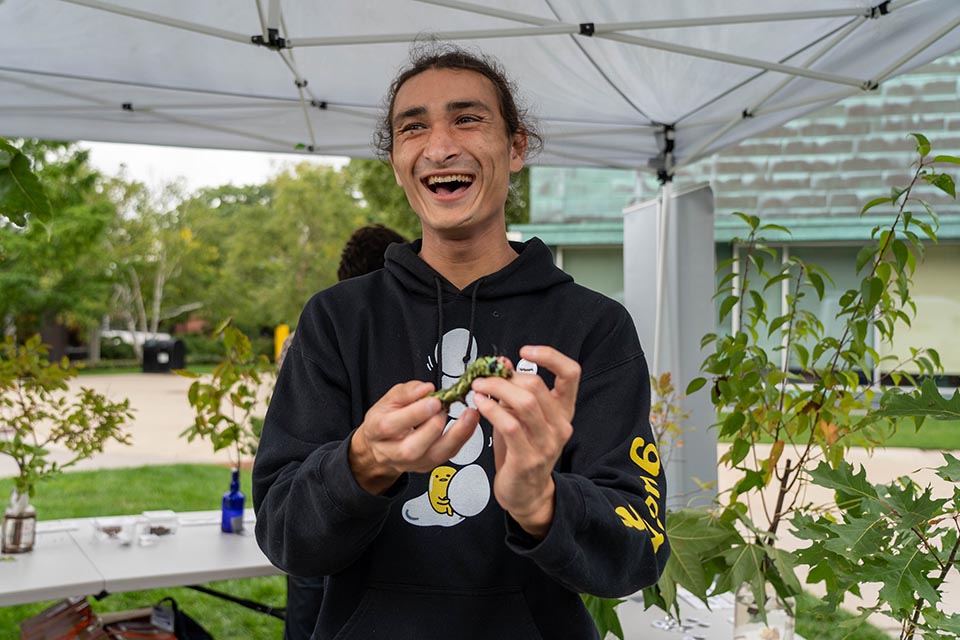 World of Work fellowships let students follow their passionsMarch 20, 2023
Since its founding in 2008, over 500 Brandeis students have participated in this competitive program, experiencing the summer of a lifetime in internships across the world.
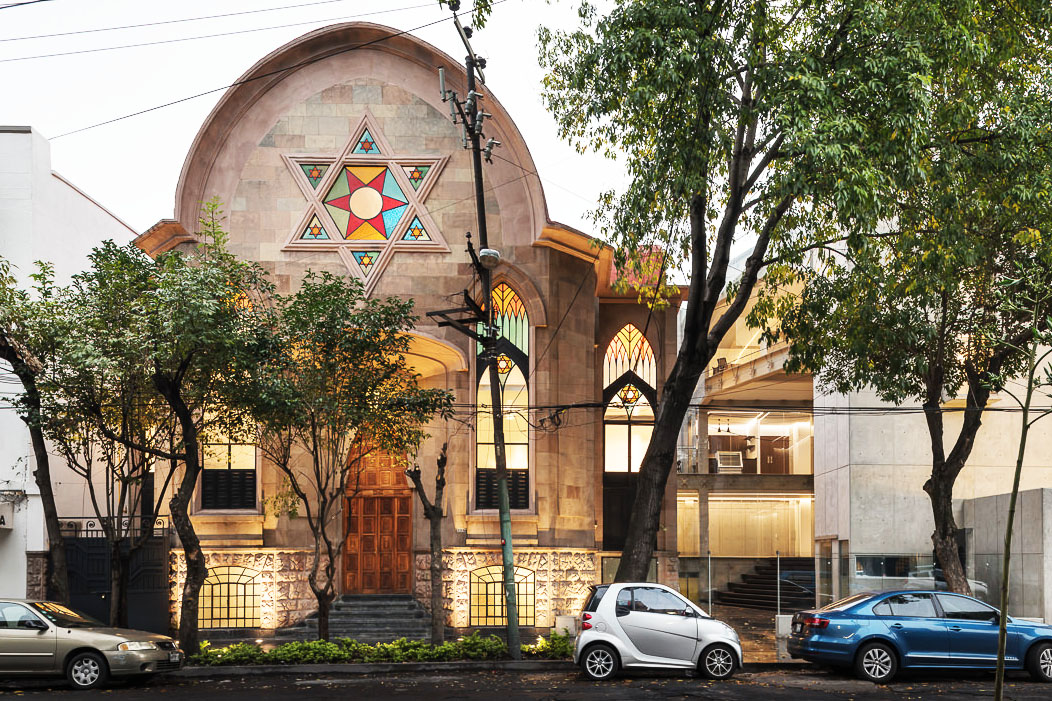 Brandeis launches initiative to study the Jews of Latin AmericaMarch 20, 2023
The initiative, based at Brandeis’ Cohen Center for Modern Jewish Studies, will support academic research and cultural programs focused on Jews who live in Latin America and those who immigrated elsewhere.
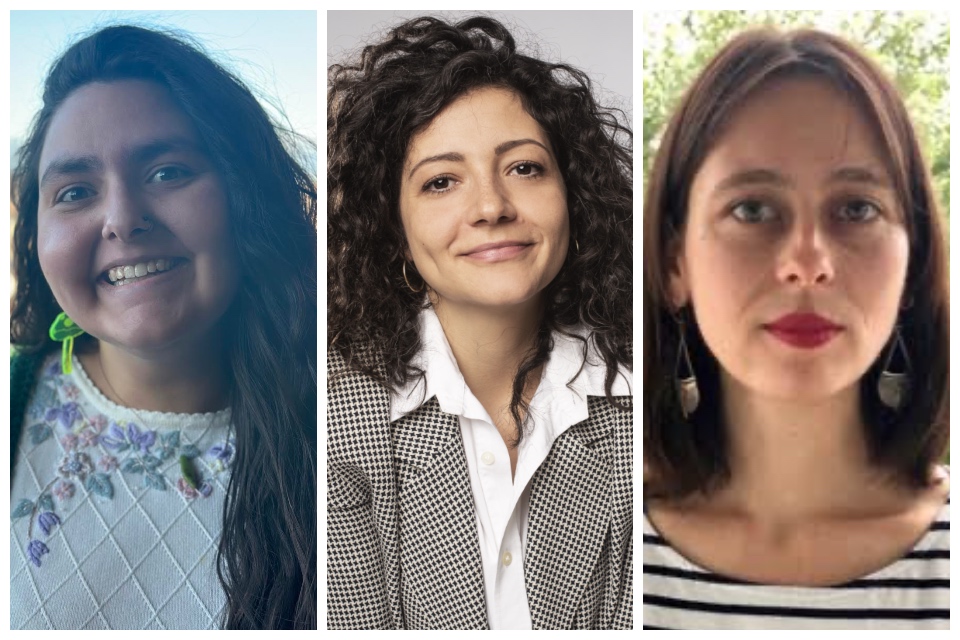 Paving the way for the women of todayMarch 16, 2023
Three graduate students from the Graduate School of Arts and Sciences are bringing important stories to the surface, and, as a result, paving the way for women of today.
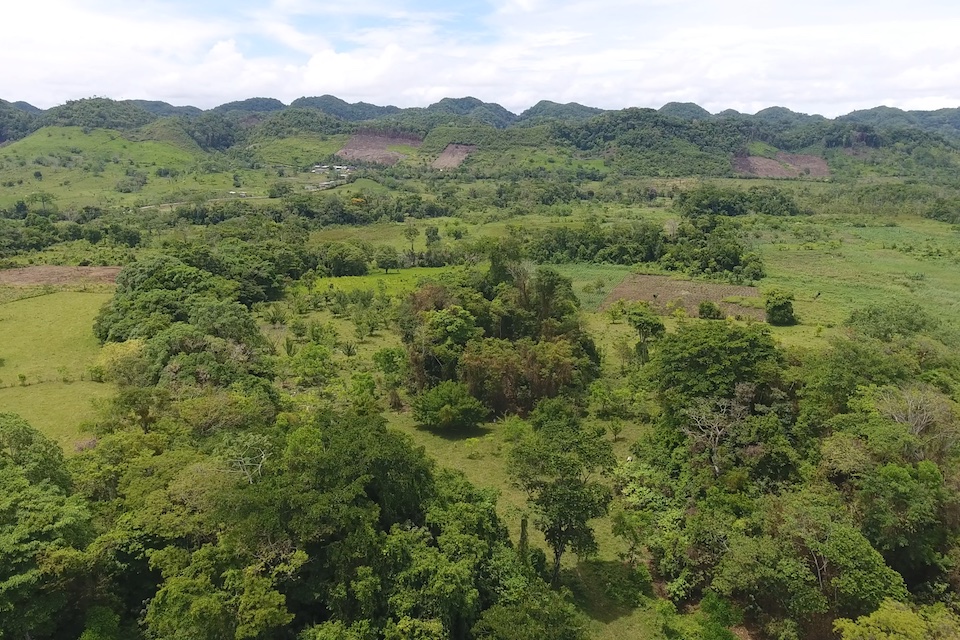 Discovering the lost Maya city of Sak Tz'i'March 13, 2023
Professor Charles Golden and Alexandra Bazarsky '23 explain the secrets this lost city holds and the implications it has for our understanding of the ancient Maya population.
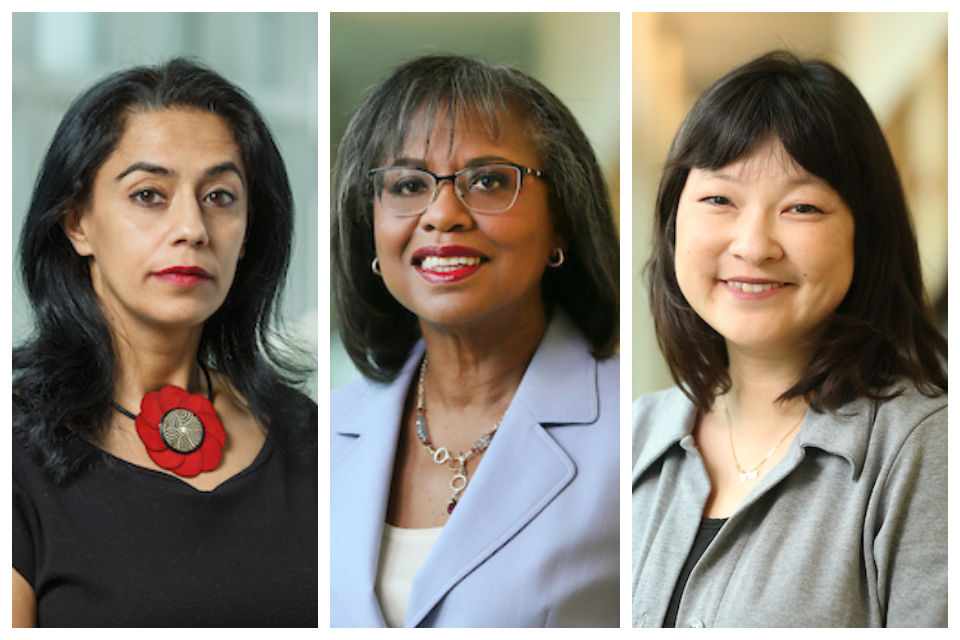 Brandeis to host year-long seminar on gender-based violenceMarch 6, 2023
With support from a Mellon Foundation grant, Brandeis faculty will host a major series of scholarly seminars examining the roots of — and resistance to — gender-based violence.
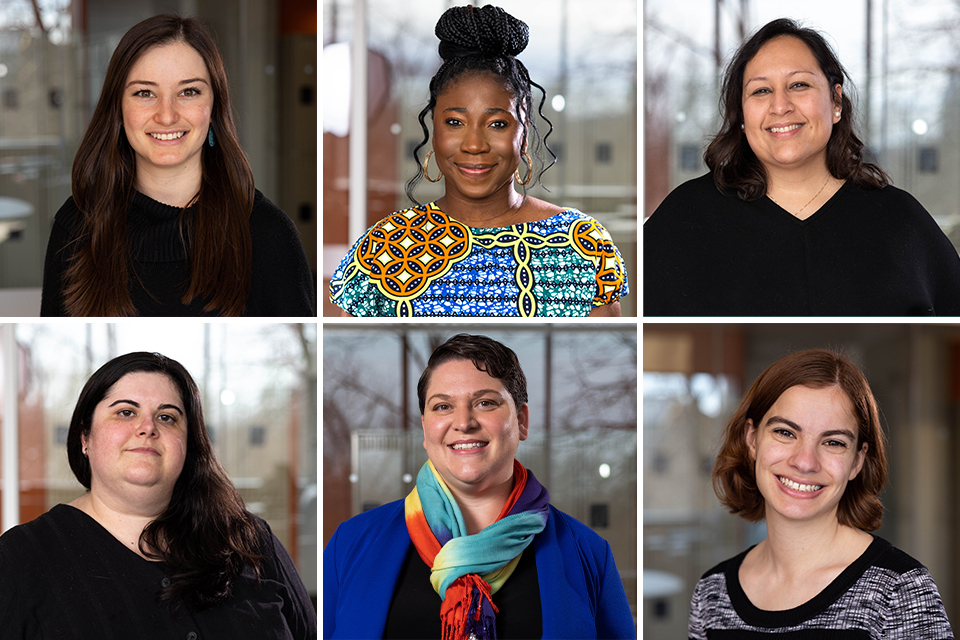 Meet the women advocating for changeMarch 6, 2023
A look at the work and research of graduate students at the Heller School.
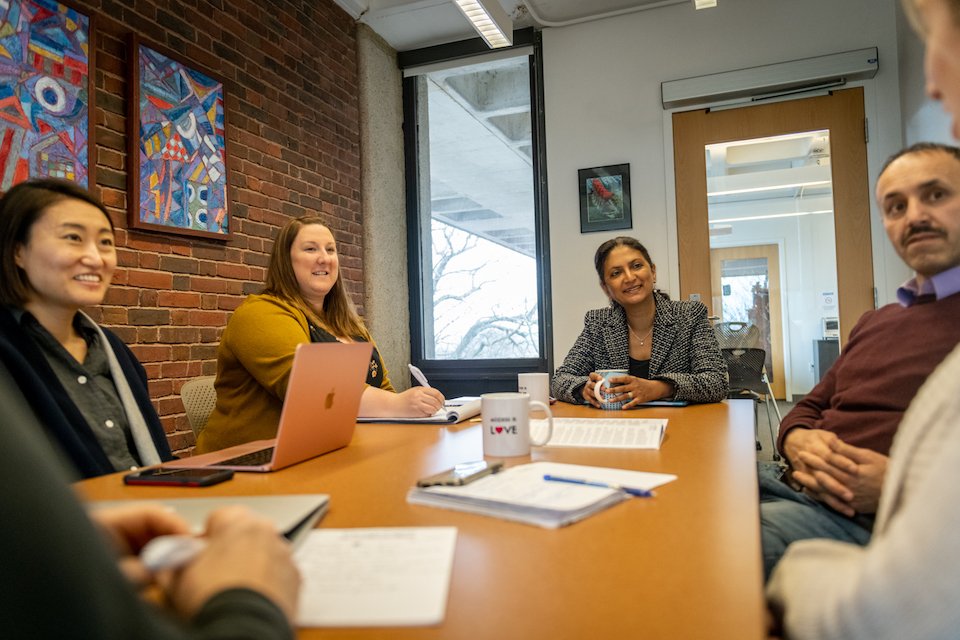 Brandeis punches above its weight in social science researchFeb. 13, 2023
The bottom line: Brandeis University is a leading institution when it comes to research in the social sciences, according to data from the National Science Foundation.
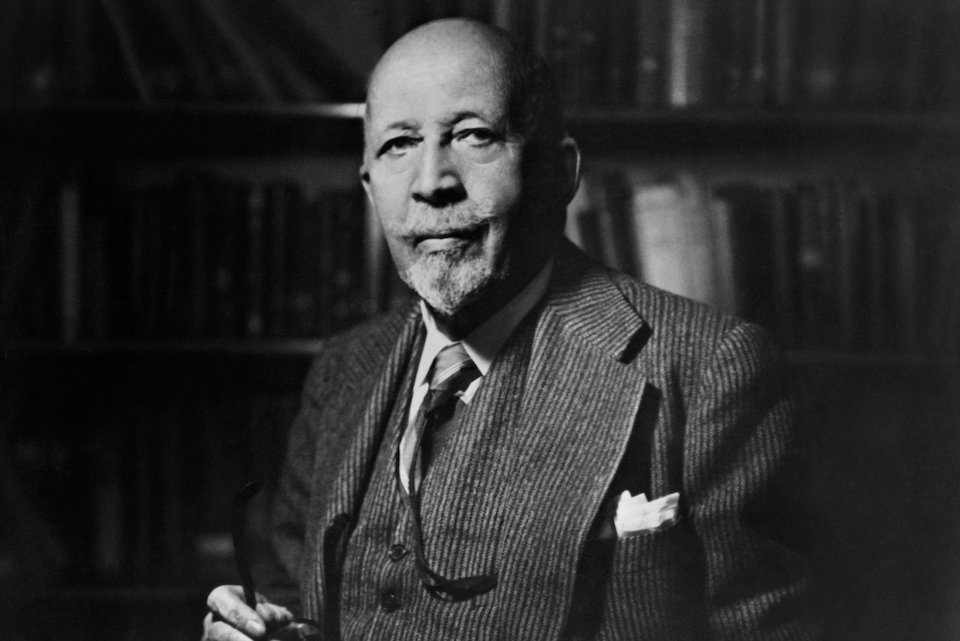 W.E.B. Du Bois, Black History Month and the importance of African American studiesFeb. 7, 2023
Du Bois reminds us that Black History Month is rooted in a legacy of activism and resistance, one that continues in the present, professor Chad Williams says.
 A son of the Sephardic Americas: Jack MaduroJan. 25, 2023
Jacob (Jack) Brandon Maduro was a 20th-century Jewish entrepreneur and community leader whose career took him to Panama, New York, and Cuba as he built his businesses and worked to strengthen ties among Jews in the Americas.
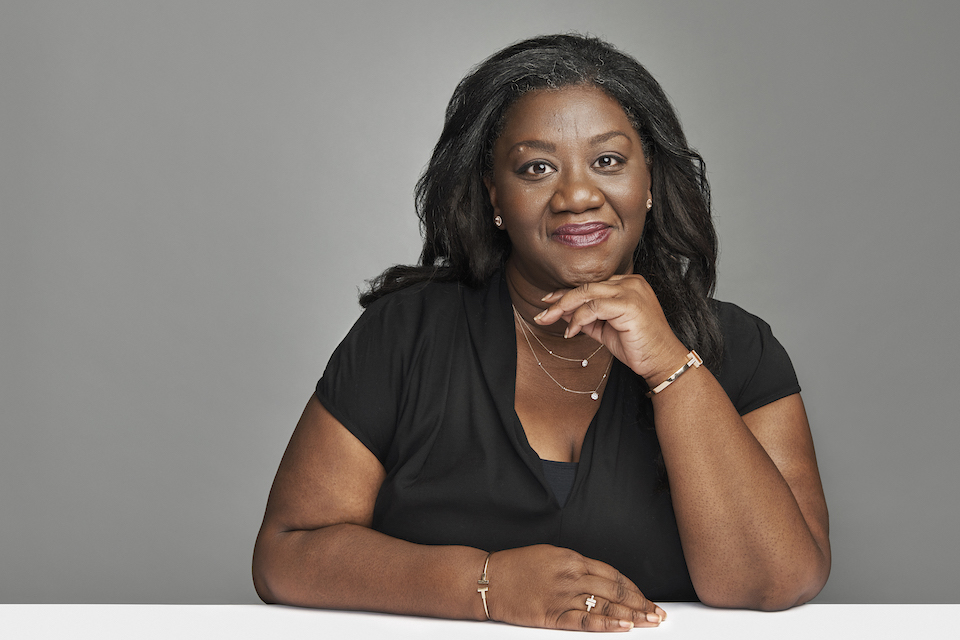 Tressie McMillan Cottom selected as winner of 2023 Gittler PrizeJan. 23, 2023
The celebrated cultural critic, sociologist, and author is the 2023 winner of the Joseph B. and Toby Gittler Prize, which recognizes outstanding scholarly contributions to racial, ethnic, or religious relations.
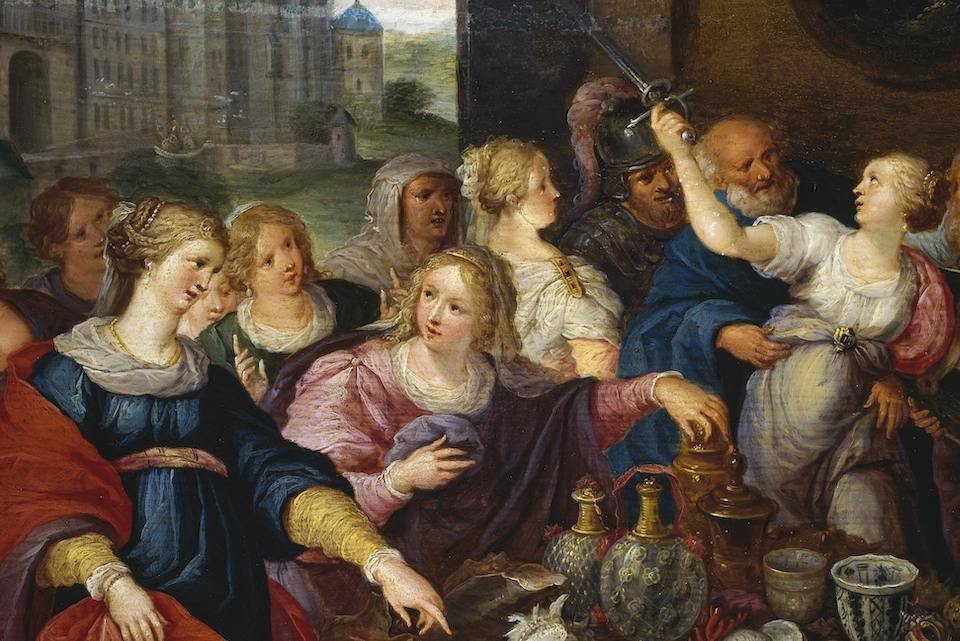 Achilles, Odysseus and the ancient history of reunionsJan. 17, 2023
The bittersweetness of family relationships and reunions is an important theme in Greek mythology, professor Joel Christensen explains.
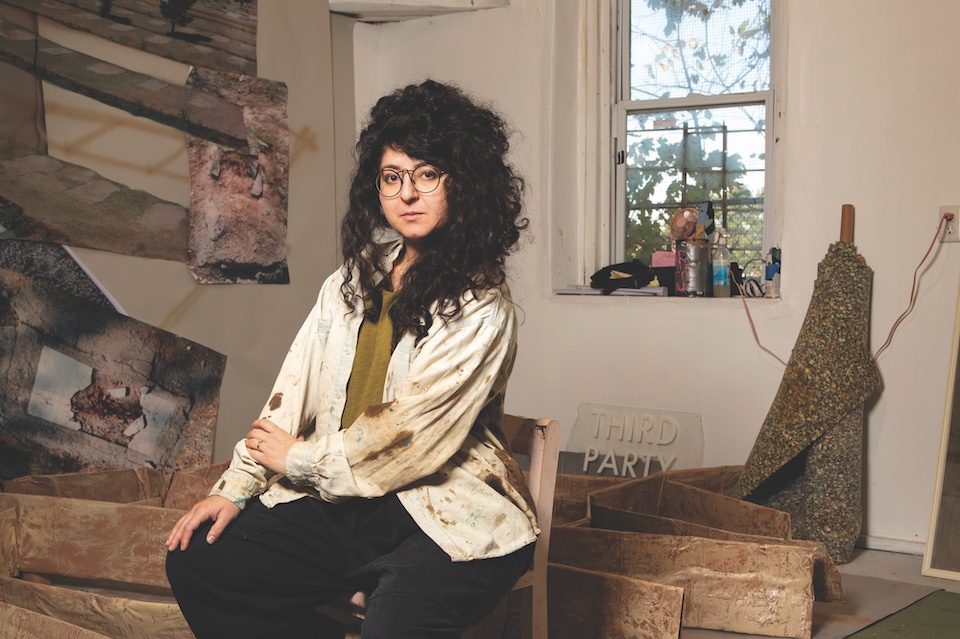 Tableaux for a troubled worldJan. 9, 2023
Professor Sheida Soleimani’s photo collages are alternately satirical, grotesque, horrifying, and beautiful.
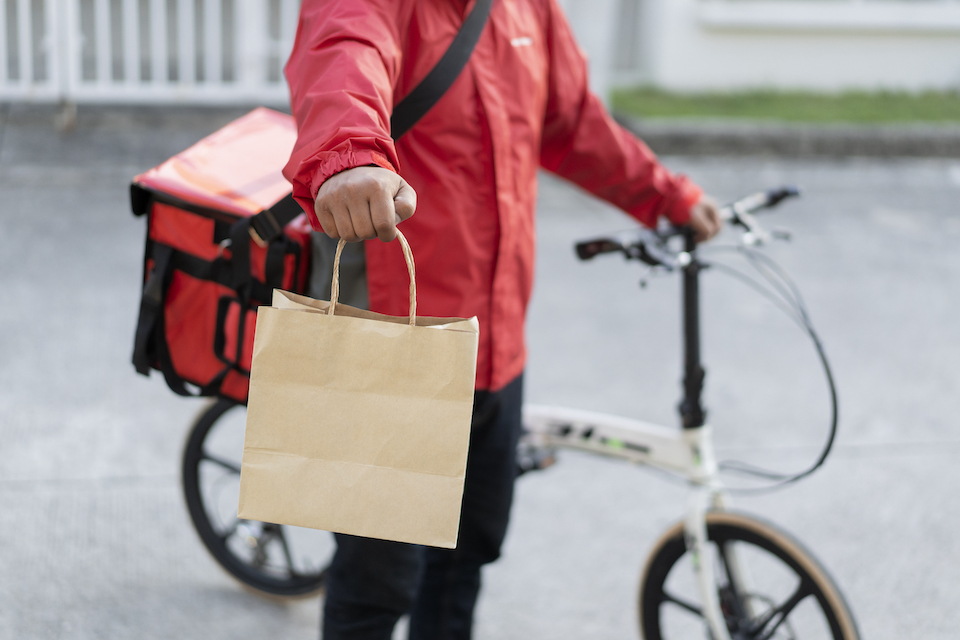 What’s a ‘gig’ job? How it’s legally defined affects workers’ rights and protectionsJan. 9, 2023
Over the past few decades, a growing number of low-wage workers find themselves in gig work situations. Heller School professor David Weil explains how that is making work more precarious.
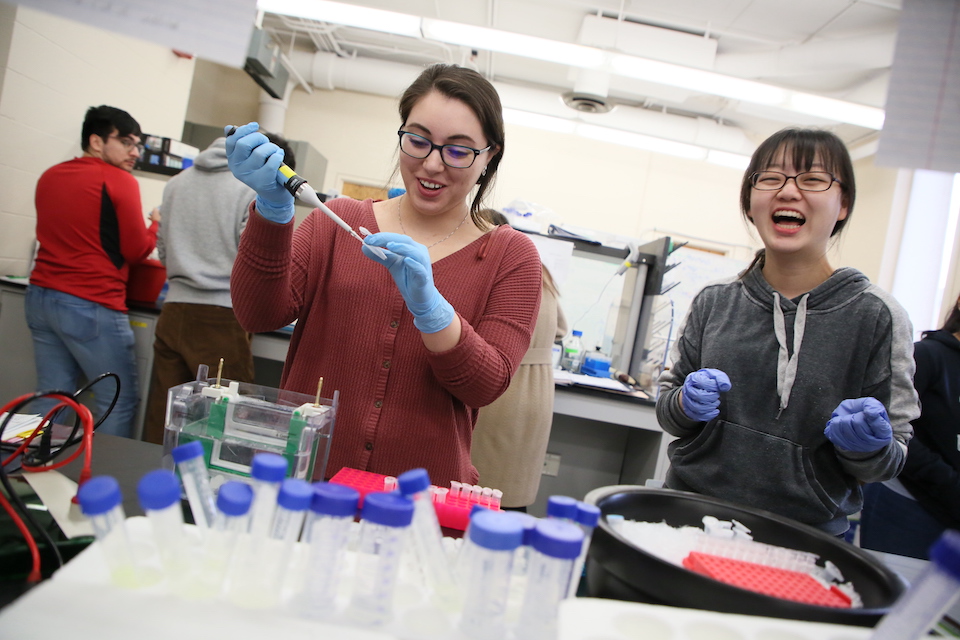 Thinking about the pre-health or pre-med track at Brandeis? Here are 7 tips from students.Jan. 5, 2023
There's more than one way to pursue a career in health care at Brandeis. Here, students already on their way offer their insights.
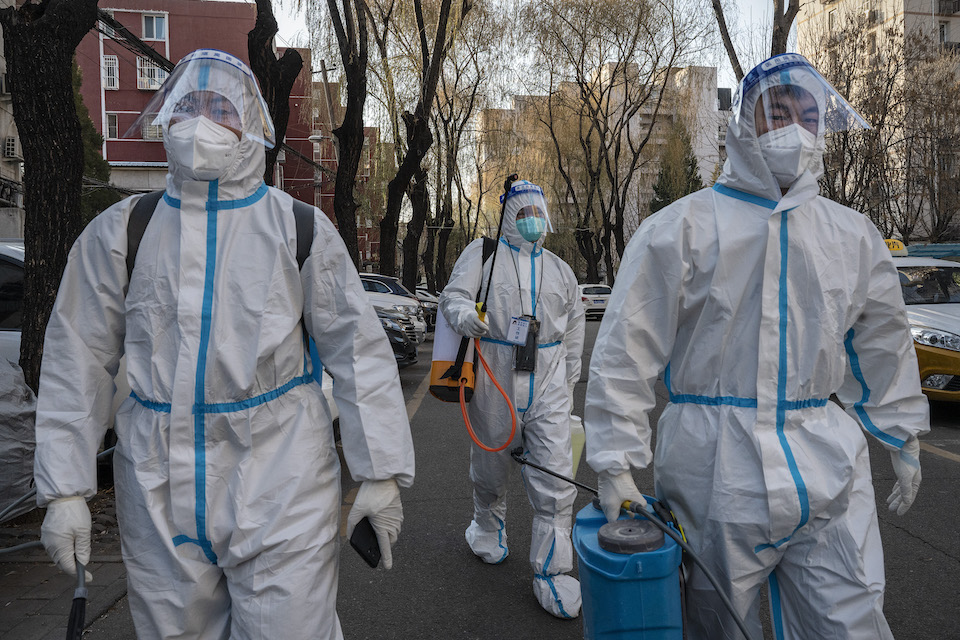 How China’s loosened COVID-19 policies have left the country vulnerableDec. 14, 2022
China's strict zero-COVID policy has put the country on a different pandemic trajectory than most of the world, says professor Elanah Uretsky. Now, those policies are being rolled back.
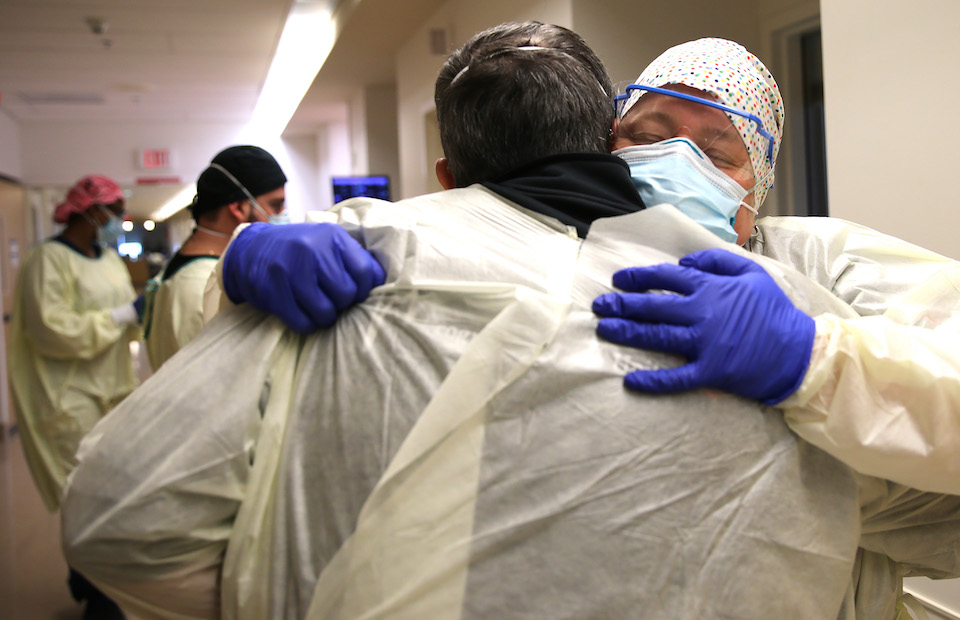 Who’s giving Americans spiritual care? As congregational attendance shrinks, it’s often chaplainsDec. 2, 2022
Today’s chaplains are diverse and serve people from all backgrounds, including those with no affiliation, graduate school dean Wendy Cadge says.
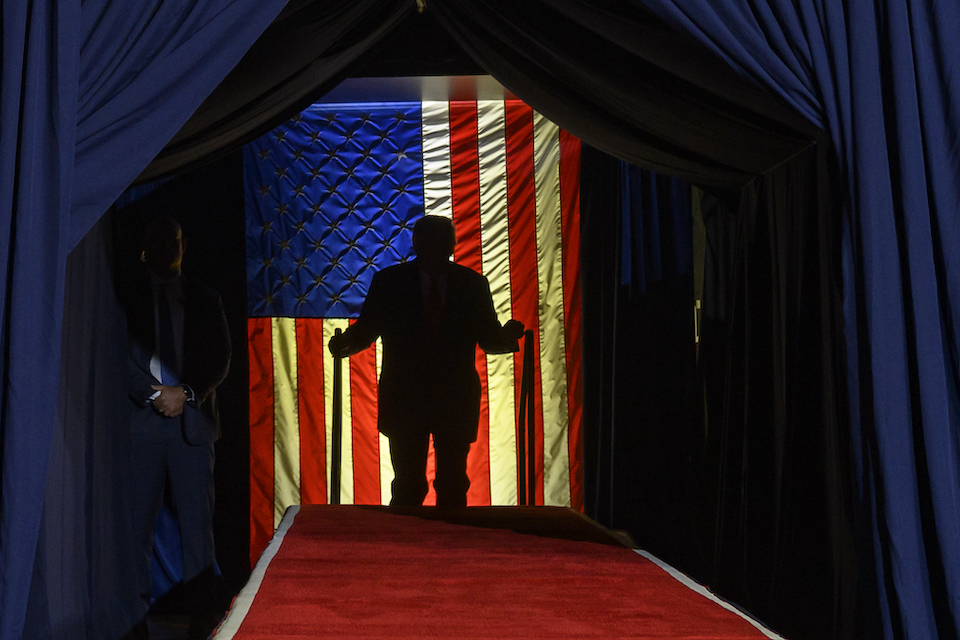 What’s next for Donald Trump and the GOP?Dec. 1, 2022
Professor Zachary Albert, an expert on political campaigns, partisan polarization, and public policy-making, analyzes the midterms and looks ahead.
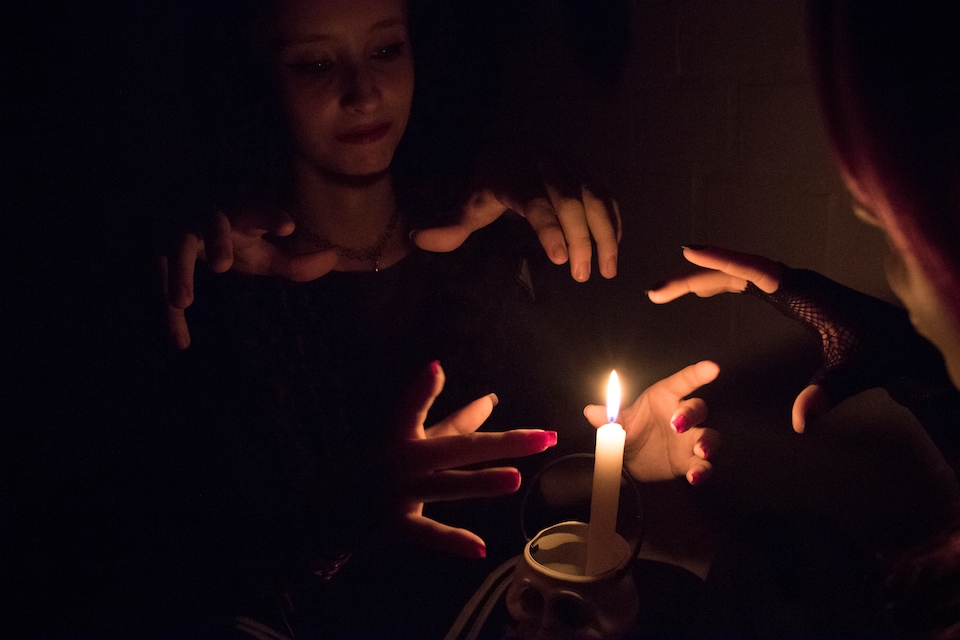 What Greek myth tells us about modern witchcraftNov. 18, 2022
Classics professor Joel Christensen explains how witches have functioned as easy targets for cultural anxieties about gender, power and mortality for centuries.
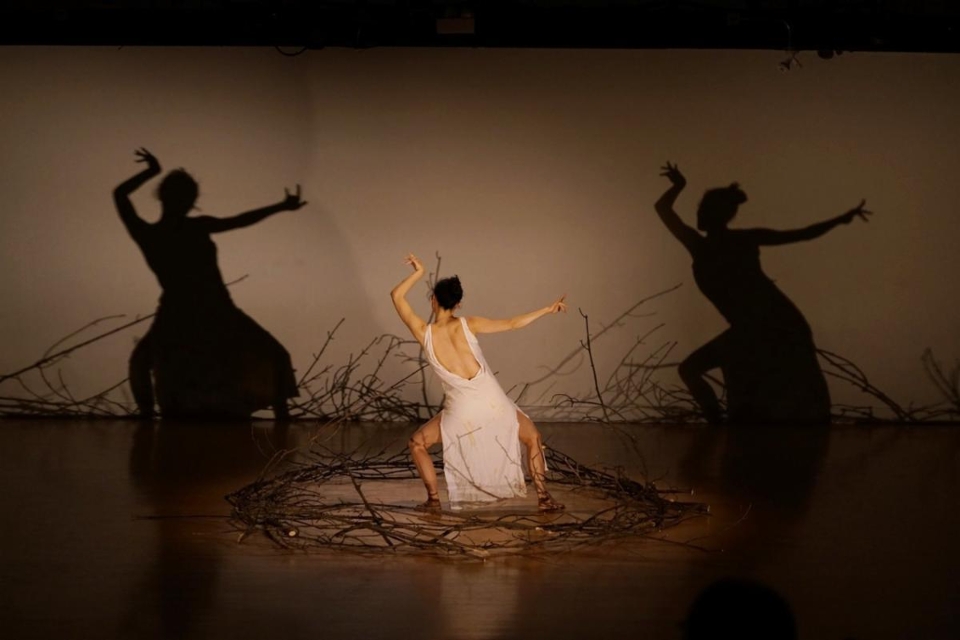 From Kabuki theaters and Shinto shrines, Mitsu Salmon brings butoh to BrandeisNov. 16, 2022
Assistant professor of theater arts Mitsu Salmon has a special connection to the the unique Japanese dance-theater called butoh.
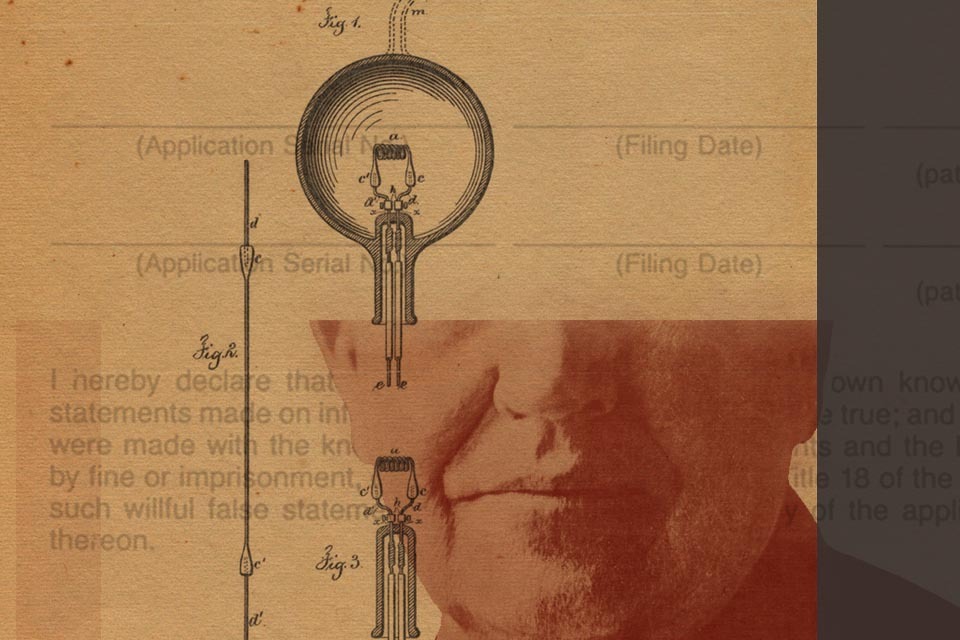 The age of invention: patents show differences between younger and older inventorsNov. 9, 2022
New research examined over 3 million U.S. patents filed from 1976 to 2000 to identify certain attributes and analyzed them based on the age of the filers.
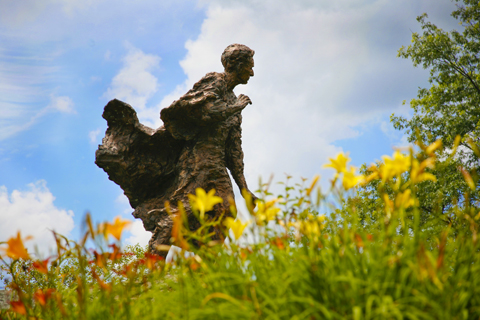 Professor Sabine von Mering honored with Volkmar and Margret Sander PrizeNov. 9, 2022
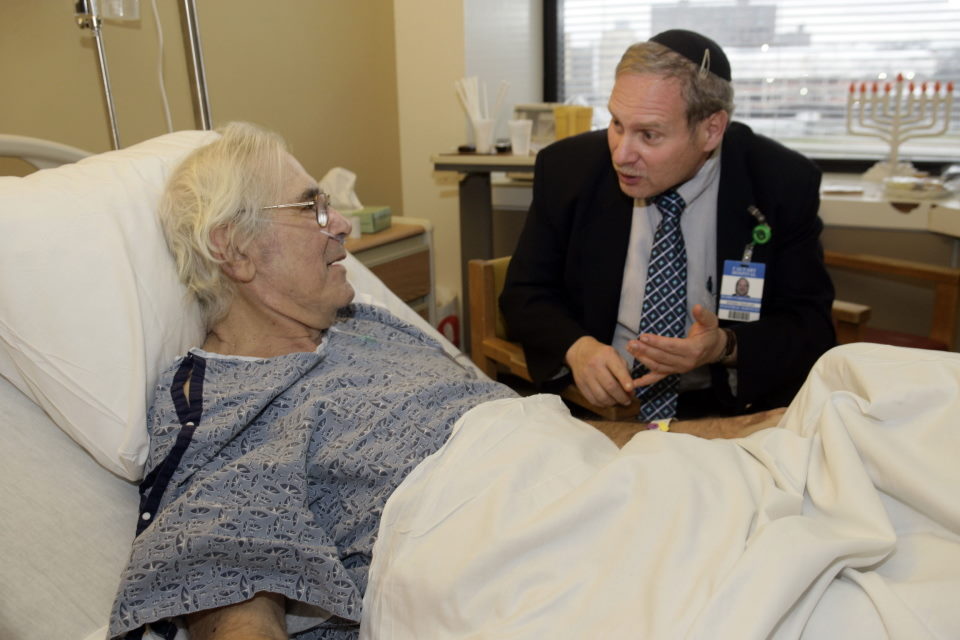 The unsung heroes of American JudaismNov. 4, 2022
The work of Jewish chaplains often goes under-appreciated and overlooked, according to new research.
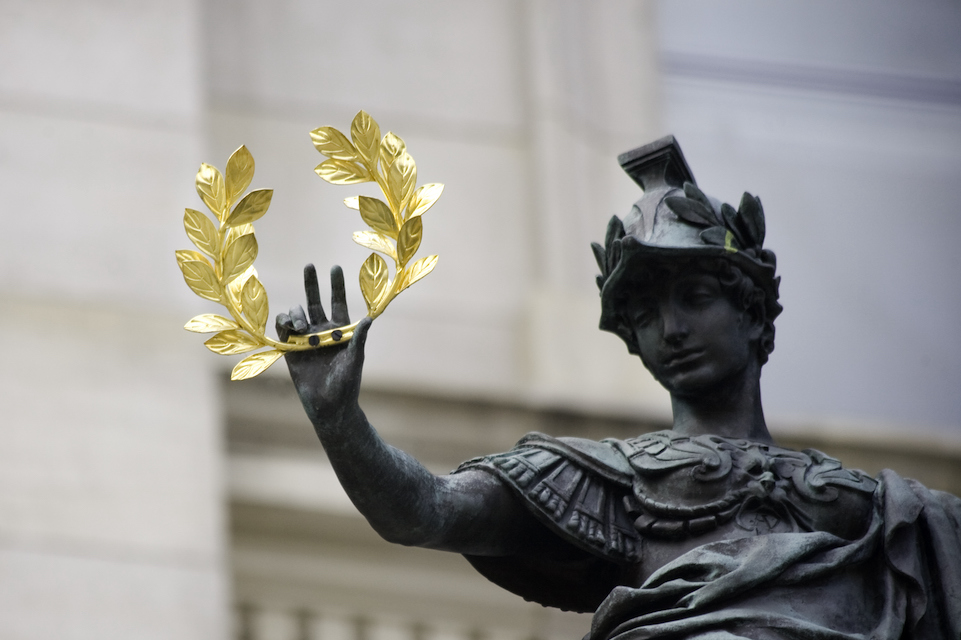 What is a laureate? A classics professor explains the word’s roots in ancient GreekOct. 7, 2022
Professor Joel Christensen explains how laurel leaves have been a symbolically important plant for thousands of years.
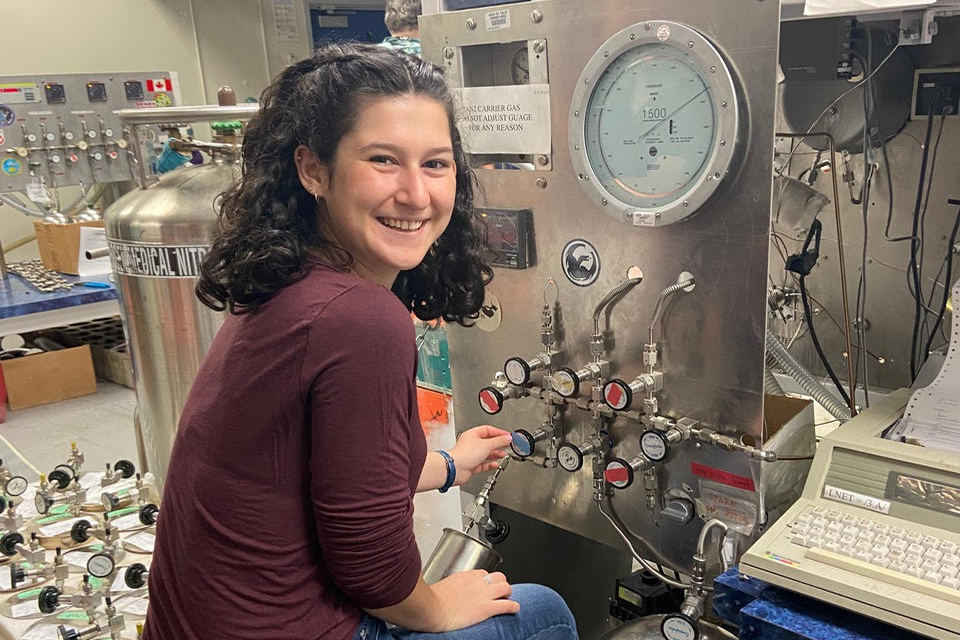 Reaching new heights in a NASA internshipOct. 3, 2022
Maya Levisohn ’23 spent her summer researching methane concentrations and working with advanced atmospheric technology, all while 40,000 feet in the atmosphere with NASA’s SARP program.
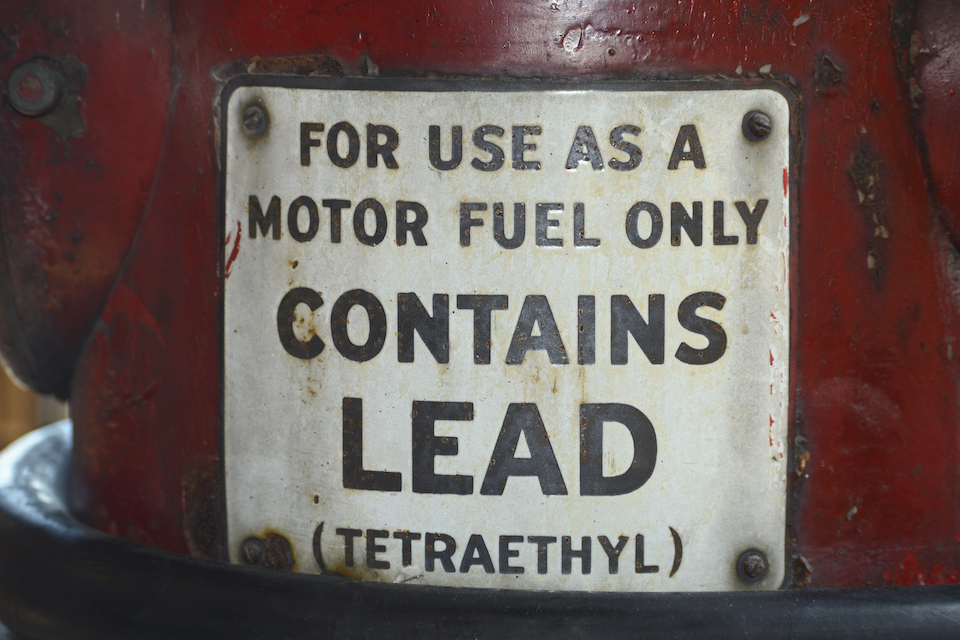 Airborne lead exposure: how much is harmful to health?Sept. 30, 2022
New research by a Brandeis economist links short-term exposure to airborne lead during pregnancy with adverse birth outcomes.
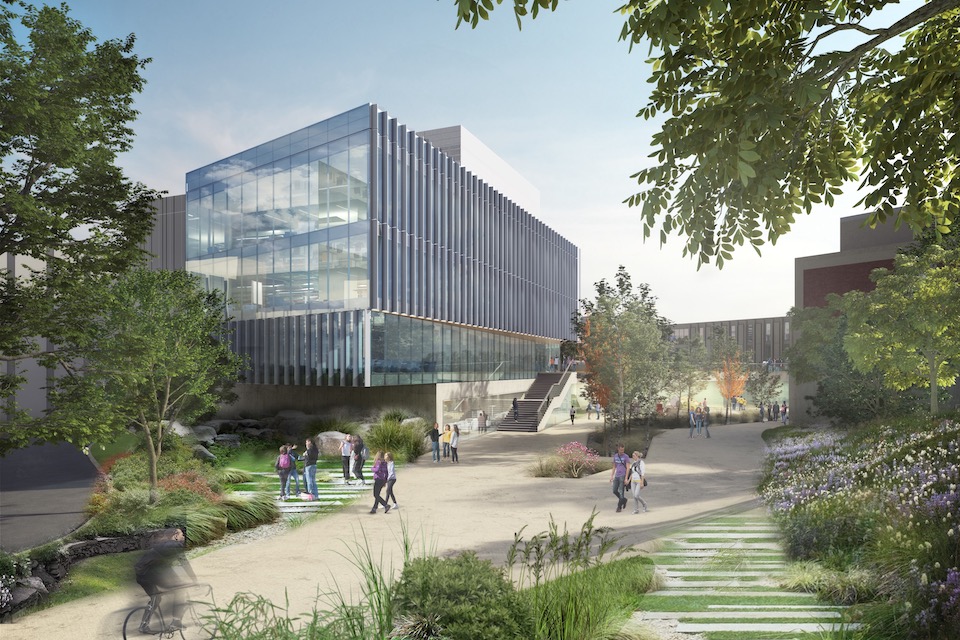 Transformative science expansion on the horizonSept. 29, 2022
The project will add about 100,000 square feet of space for labs, state-of-the-art classrooms, and more.
- Visit Story Archive »






