Clubs
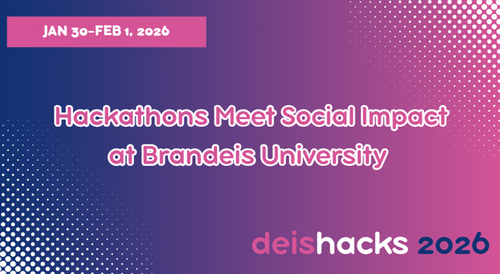
BDI currently hosts Aviation Club, Deishacks, Robotics Club, Hack Club, and Deis3D in our spaces.
Using the arrows on the right, scroll through our different club collaborators and learn about about their innovative projects!
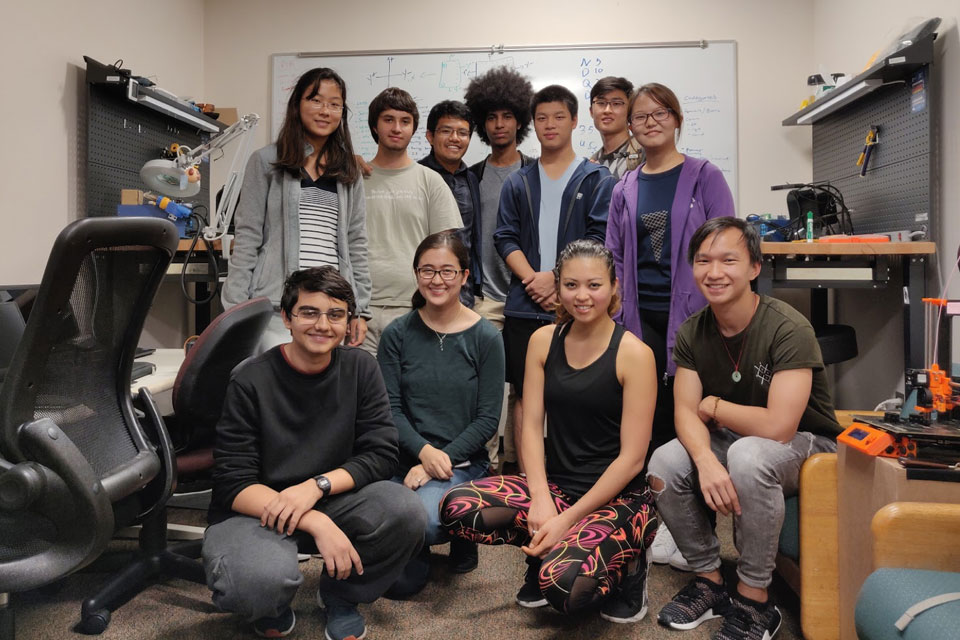

Brandeis Aviation Club offers unparalleled opportunities for students interested in exploring flight and aviation-related topics. Through its partnership with East Coast Aero Club, the club provides members with hands-on experience through flight lessons, specifically in Piper Cherokees and Cessna 172N Skyhawks. On campus, the club deepened its collaboration with the MakerLab’s Digital Scholarship Lab, hosting an interactive drone workshop led by Ian Roy and Tim Herbert that introduced students into the process of obtaining their UAV remote pilot license. The club also recently welcomed guest speaker Aaron Louison, a longtime Brandeis staff member and licensed private pilot, who shared insights from his journey toward earning his Private Pilot License (PPL). Alongside flight-simulation and aviation fundamentals sessions, Brandeis Aviation Club continues to expand hands-on opportunities for students interested in flying, aerospace, innovation, and beyond.
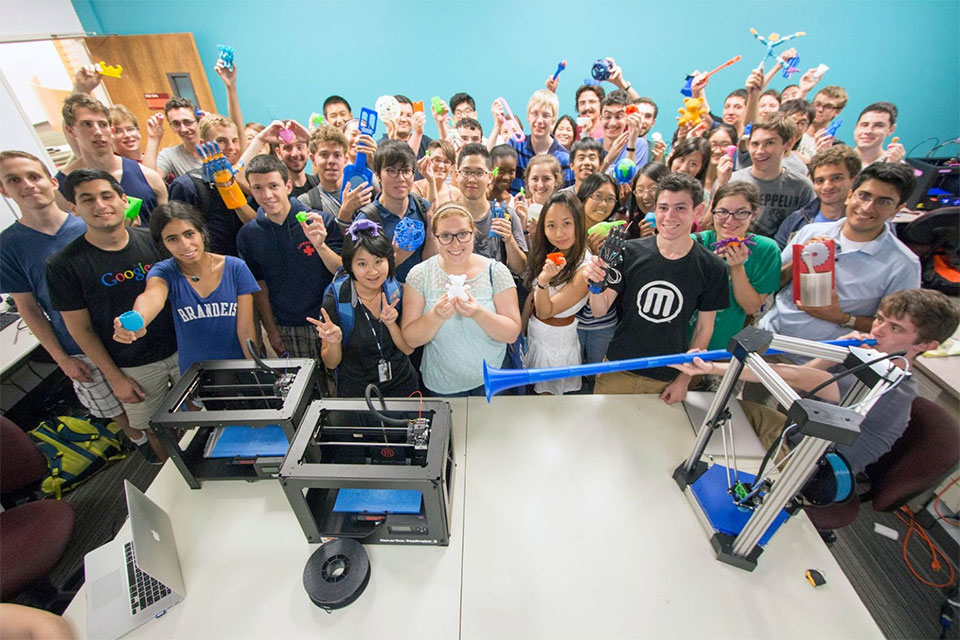
Deis3D works with 3D printers and has weekly meetings where they discover a range of topics varying from the latest software tool sets in Computer Assisted Design to the newest hardware and its novel approach to 3D printing. Each year the club makes a list of the newest 3D printers they want to purchase and any hardware upgrades they would like to install on older models, chasing the edge of 3D printing technology. They use this technology not only to push the edge of what is possible in the MakerLab, but also to support projects from other groups across campus.
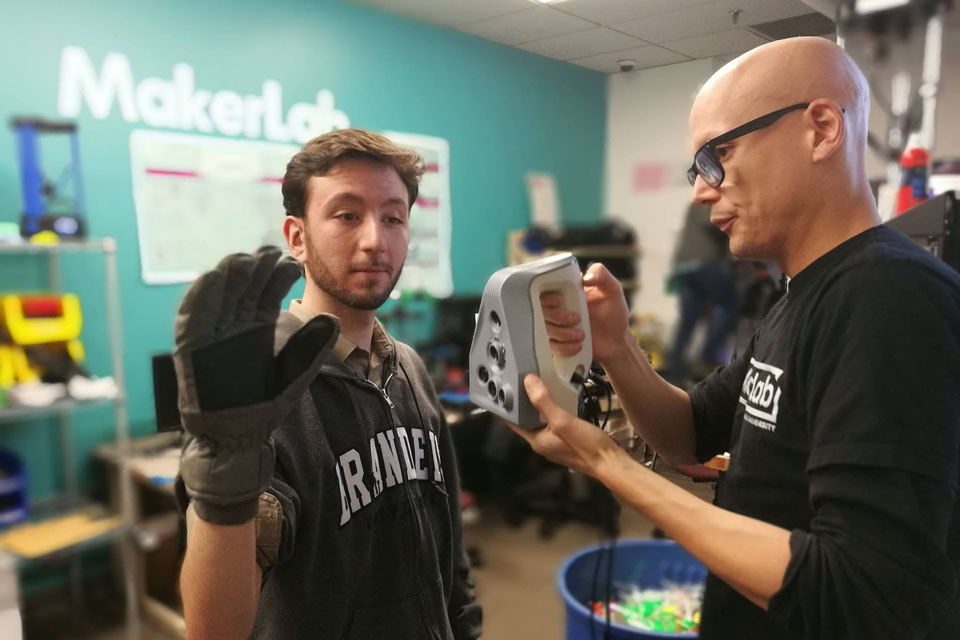
This semester, Hack Club focused on applied software engineering topics, including fuzz testing, optimistic UI updates, library API design, and collaborative Git workflows. Meetings combined short technical tutorials with hands-on coding, while members developed more substantial projects independently outside of meetings. Produced artifacts included fuzzers for Data Structure and Algorithms (COSI 21) assignments, a reusable graph-theory algorithm library, a utility application for managing gameplay in Blood on the Clocktower, and an informational website aggregating learning resources and CTF write-ups generated during club activities.
Is your club interested in working with BDI? Check out our Club Collaborations page to learn more.