

Brandeis Online
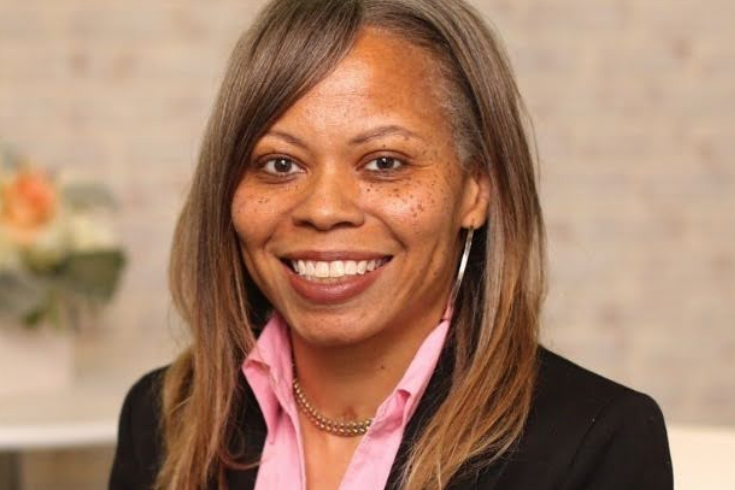
Q&A: Chair of Information Technology Management
May 12, 2026
 Brandeis Online's new MS in Information Technology Management is launching this fall. Hear from program chair Bruce Rains, PhD about some of the program's key differentiators.
What is your current job title? How would you describe your role?
I am the program chair for the Information Technology Management master’s program at Brandeis Online. I also serve as a technology executive at a global organization where I oversee engineering and operations activities pertaining to enterprise networks, servers, cloud infrastructure, voice systems and other critical technologies that support day-to-day business operations.
Why did you decide to get involved in the leadership of the Information Technology Management program at Brandeis Online?
With nearly 25 years in the IT industry, I’ve developed a strong passion for continuous learning and giving back to the profession. Over that time, I’ve seen the technology landscape evolve dramatically — not just in terms of tools and platforms, but in how global, integrated, and business-critical IT has become.
I was drawn to this role because it provides an opportunity to help shape a program that equips professionals with the modern technical and managerial skills required to succeed in today’s environment. Having worked across multiple domains throughout my career, I’m excited to bring that experience into building a curriculum that prepares future technology leaders — particularly in areas like cloud, AI, and cybersecurity.
“I’ve seen the technology landscape evolve dramatically — not just in terms of tools and platforms, but in how global, integrated, and business-critical IT has become. ”
What makes Brandeis Online’s IT management program unique?
This program is intentionally designed to reflect real-world, current technology and business needs. A key differentiator is our focus on how emerging technologies — especially AI — are actively shaping modern IT environments. We combine hands-on technical depth with strategic leadership development.
Students don’t just learn concepts — they apply them in areas such as cloud automation, security and compliance, and data engineering. At the same time, they build the skills needed to lead: developing strategy, driving innovation, managing risk, and aligning technology decisions with business outcomes.
What courses in the IT management program are important to highlight and why?
Each course plays a critical role in building a comprehensive skill set, so the answer often depends on a student’s career goals. That said, I tend to highlight two courses: Enterprise Cloud Architecture and Scalable Systems Design and Cybersecurity, Governance, Risk, and Enterprise Security Strategy because of their immediate relevance in today’s business environment.
“This program is intentionally designed to reflect real-world, current technology and business needs. A key differentiator is our focus on how emerging technologies — especially AI — are actively shaping modern IT environments.”
What are you most looking forward to about this program?
I’m most excited to see the program come to life — particularly during the first fall term — and to observe how students engage with the material. At its core, this is about teaching and learning, and I’m looking forward to connecting with students, understanding their goals, and supporting them throughout their journey.
To learn more about the MS in Information Technology Management or IT management master’s certificates at Brandeis Online, visit the program page or email Bruce at brucerains@brandeis.edu.
More Stories
May 5, 2026
The MS in Health Informatics is one of the newest master's degrees at Brandeis Online. Hear from Dr. Trenya Garner about what makes the program stand out.