Global Community Engagement - Current Initiatives
Throughout the Spring semester of 2026 we are honored to be presenting a series of film screenings highlighting efforts to counter both environmental devastation and legacies of war and genocide around the world.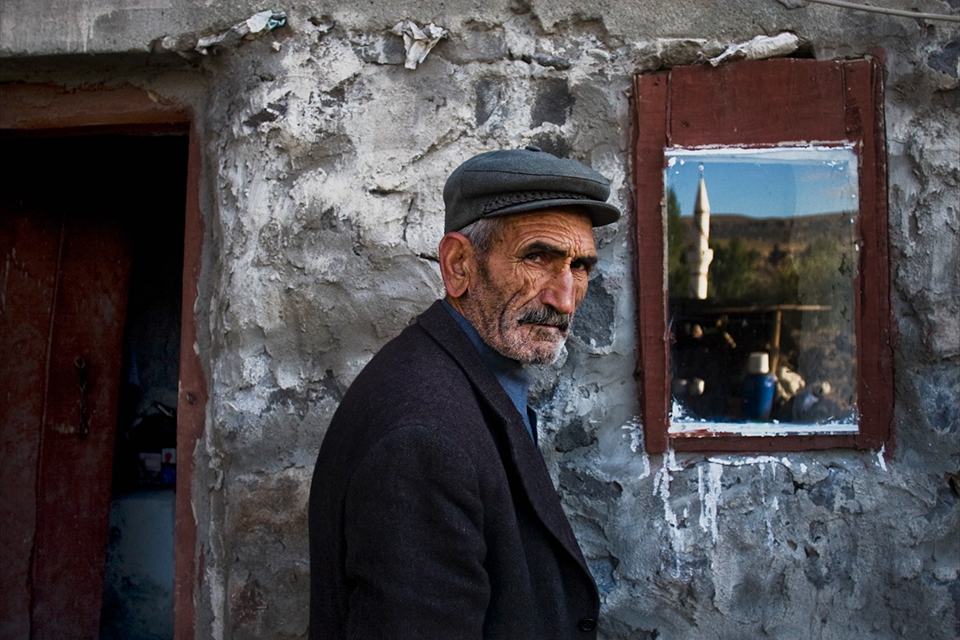
April 26, 2026
Documentary Screening and Discussion
12:00 - 2:00 pm
Wasserman Cinematheque, inside Sachar International Center (International Business School)
Erhan Arik, a young Turkish photographer born in Ardahan, in eastern Turkey, grew up in a house where Armenians once lived, driven out by the massacres in 1915. He had never been interested in this episode of history. In a dream, a voice asks him: “Why did you turn that room into a barn, where my wife used to make bread, where my children used to play?” Erhan wakes up with a jolt.
The next day, the voice from the dream continues to haunt him. He then decides to set out to meet Armenians, in search of that voice. Driven out by the genocide, several families live not far away, a few kilometers from their original land.
This film by Diana Mkrtchyan tells the story of this journey, this quest.
On the other side of the border, on the other side of the silence...
Getting to Wasserman Cinematheque
Address for GPS: Sachar International Center, 415 South St, Waltham, MA 02453 or click for the GPS link .Parking Information
Limited parking is available in front of of the building. Free parking is available at the nearby Theater Parking Lot.
Address for GPS: Theater Lot, 415 South St, Waltham, MA 02453 or click for the GPS link. From the Theater Lot, walk toward the Sachar International Center (a modern glass-and-brick building with many flags just uphill from the lot).
March 29, 2026
Documentary Screening and Discussion
11:00 am- 1:30 pm
Wasserman Cinematheque, inside Sachar International Center (International Business School)
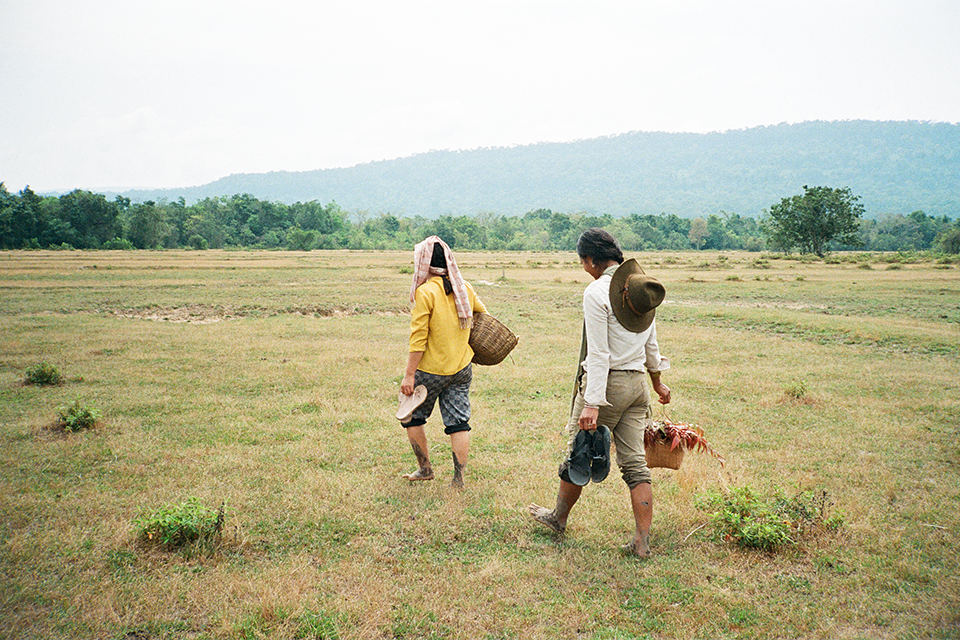
In the Khmer language, the root word for “nature” and “country” is cheate, meaning “taste”: to truly understand the essence of the land, one must know it through the senses. Since fleeing Cambodia with her family during the Khmer Rouge regime, and a genocide which devastated an entire culture and displaced millions of people from their homes, award-winning documentary filmmaker Kalyanee Mam has spent much of her life searching for a rooted connection to place. This film follows her to the landscapes of her homeland—changing through deforestation, industrialization, urbanization and development—where she has spent years tenderly documenting the disappearing, relational ways of life held within them. As she comes to know these places not only through the lens of her camera, but through the intimate relationships she forms with the landscapes and people whose stories she shares, Kalyanee awakens an ancestral memory of the taste of the land that lies within.
Born in Battambang, Cambodia during the Khmer Rouge regime, which claimed the lives of over 2 million people, Kalyanee Mam and her family were displaced from both their land and their home. Kalyanee has spent most of her life unravelling the root cause of war and displacement and how to return home again. Her debut documentary feature, A River Changes Course, won the World Cinema Grand Jury Prize for Documentary at the 2013 Sundance Film Festival and the Golden Gate Award for Best Feature Documentary at the San Francisco International Film Festival. Her other works include the documentary shorts Lost World, Fight for Areng Valley, Between Earth & Sky,and Cries of Our Ancestors. She has also worked as a cinematographer and associate producer on the 2011 Oscar-winning documentary Inside Job. She is currently working on two feature length documentaries as well as film projects with Landpaths, the Mekong Culture WELL project at Michigan State University, and Cambodian American Studies Model Curriculum.
This film is presented in collaboration with the University of Massachusetts Lowell, Middlesex Community College, and Cambodia Town Lowell as part of the Khmer Diaspora Conference.
March 14, 2026
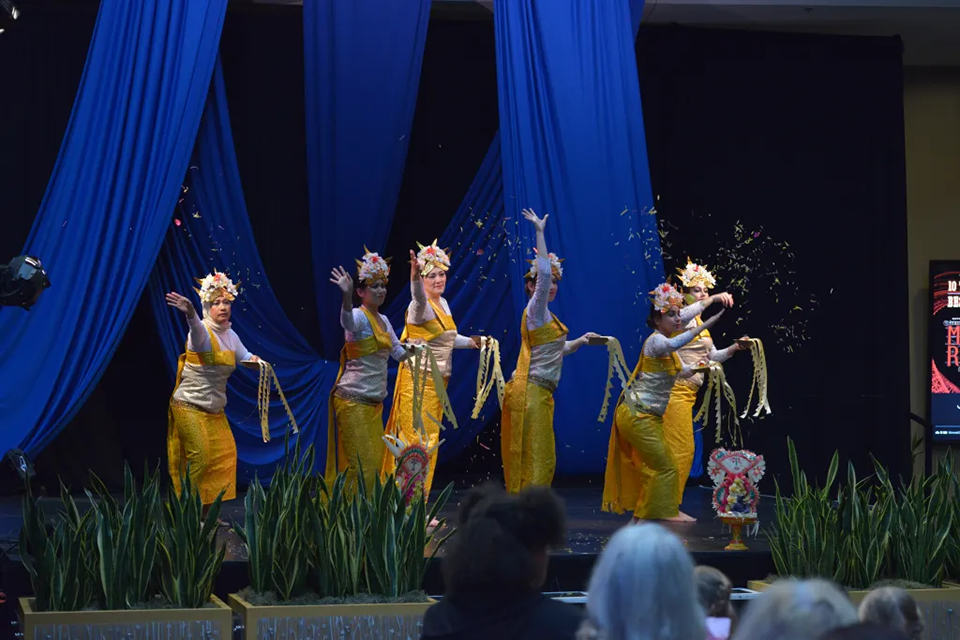
Concertdoors open at 6:30
Levin Ballroom
Co-presented with the Southeast Asia Club and CAST.
March 5, 2026
Documentary Screening
3:55 pm
Mandel G03
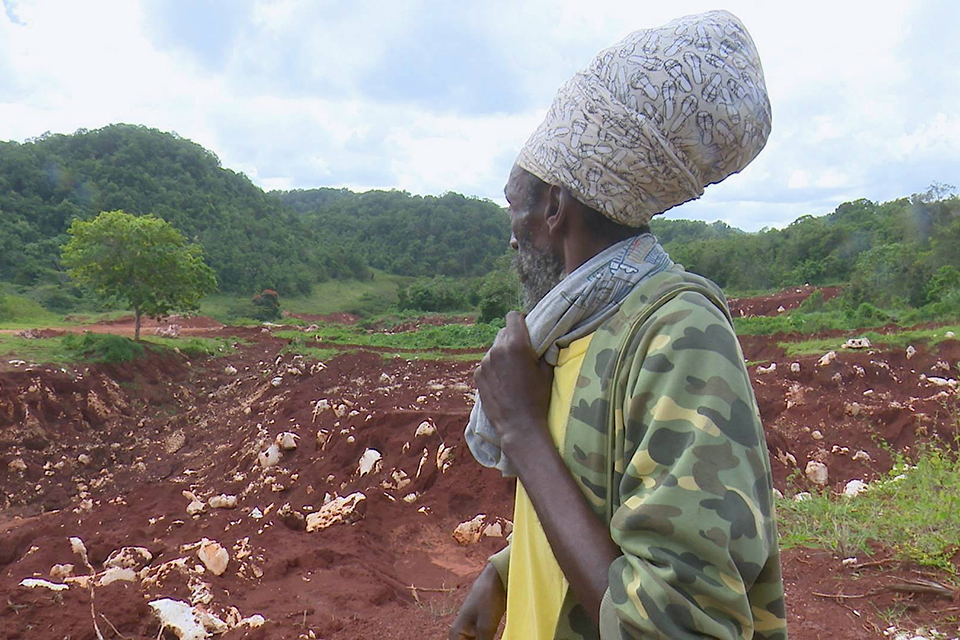
FLY ME TO THE MOON is a feature documentary by Jamaican independent filmmaker Esther Figueroa that takes us on a journey into the unexpected ways we are all connected on Planet Earth, by following aluminum - the metal of modernity - around the world and into space.
We travel for over one hundred years, visiting places as far flung as the Moon, Jamaica, India, Suriname, Canada, Cuba, Japan, Hungary, Iceland, Australia, Vietnam, the United States of America, encountering along the way human "triumphs", technological innovations, multiple wars, societal upheavals, environmental devastation. And in the urgent here and now of the climate crisis, the film challenges us to to think about the consequences of our consumption, to reimagine the ways in which we live, and to change our material culture and political economy that is destroying the planet we all depend on.
Esther Figueroa Ph.D, is a Jamaican independent film maker, writer, educator, linguist, and curator of arts, literature and film events, with over 40 years of media productions including television programming, documentaries, educational videos, multimedia and feature film. Her activist film making gives voice to those outside of mainstream media and focuses on the perpetuation of local and indigenous knowledges and cultures, defending the natural environment, opposing social injustice, and supporting community empowerment. Figueroa’s films are screened all over the world and taught at numerous universities. They include Jamaica for Sale (2009), the award-winning feature documentary about tourism and unsustainable development. Her latest feature documentary Fly Me To The Moon (2019) is about modernity and the global aluminum industry. In 2025, she is creating a film art installation for Eye(s) Open - New perspectives on film heritage from colonial times, for the Eye Filmmuseum in Amsterdam. 2020-2023, she created and co-curated Global Extraction Film Festival (GEFF), the first online film festival focused on the impacts of extractive industries and extractivism. In 2013, Figueroa was Distinguished Writer in Residence at University of Hawai’i English Department. Her environmental novel Limbo (2014), was a finalist in the 2015 National Indie Excellence Awards for Multi-cultural Fiction.
Co-presented by AAAS and CAST.
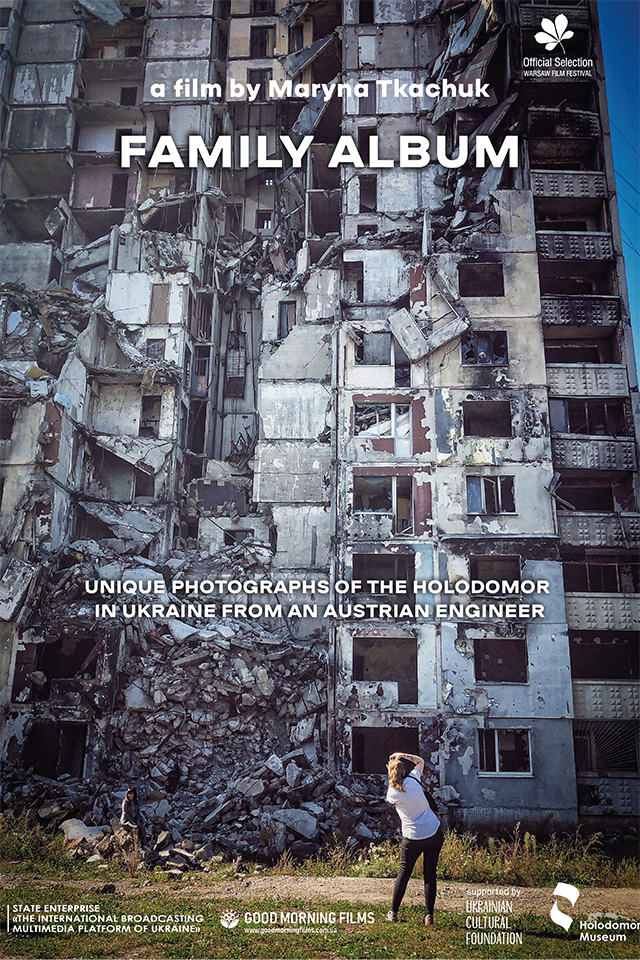
March 1, 2026
Ukrainian Documentary Screening
Post-Screening Q&A with Samara Pearce
7:00 - 9:00 pm
Wasserman Cinematheque, inside Sachar International Center (International Business School)
Family Album is a powerful documentary that follows British photographer Samara Pearce as she uncovers her family’s past and connects it to Ukraine’s present. After discovering her great-grandfather’s photographs from the 1932–33 Holodomor famine in Ukraine, Samara travels from London to the Kharkiv region amid the full-scale Russian invasion to retrace his steps and document the human toll of war and loss. The film weaves together personal memory and historical inquiry, showing how the echoes of past atrocities reverberate in Ukraine today and how one woman’s search for truth becomes a lens on resilience and survival. Family Album was directed by Maryna Tkachuk and filmed across the UK, Austria, and Ukraine.
Immediately after the screening, we’ll host a live Zoom Q&A with Samara Pearce, the documentary’s central figure. Samara is a British photographer whose work focuses on memory, conflict, and the ethics of witnessing. Her research into her own family archive brought her into direct engagement with Ukrainian history and, later, with the realities of the full-scale war. During the Q&A, she will kindly answer audience questions and share insights about her experiences.
Co-sponsored by Creativity, the Arts, and Social Transformation Program (CAST) and Global Community Engagement Program of COMPACT.
Film screening rights generously provided by Good Morning Films.Visitors to the university who drive may park at the Theater Parking Lot and walk up the hill to the Sachar International Center (International Business School).
September 19, 2025
Time: 2:20-3.30 pm
Room: Spingold 111
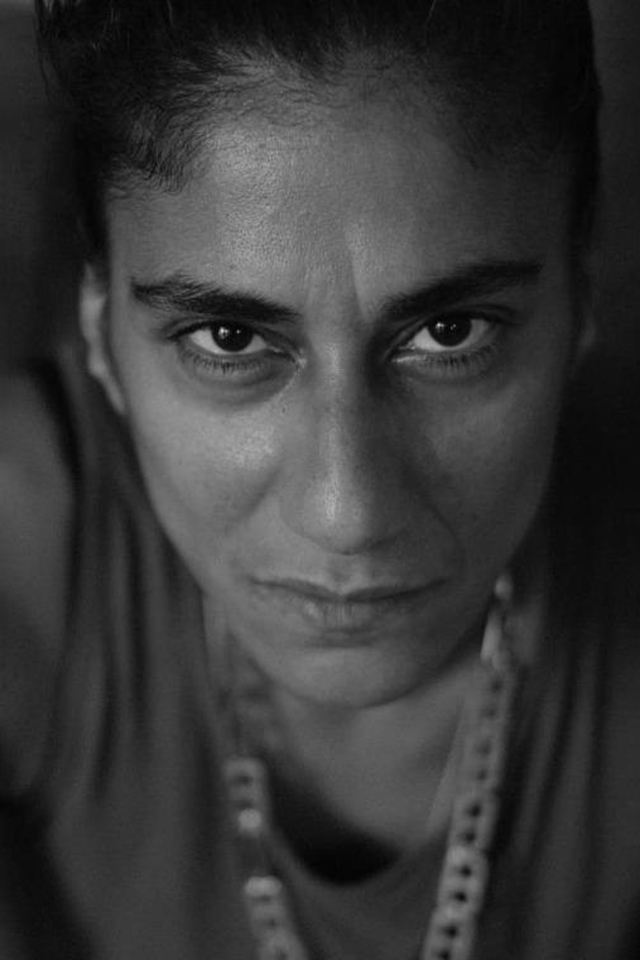
Samira Saraya is an actor, writer, director, spoken word artist, musician and LGBTQ activist. She was born in Haifa in 1975. In her early twenties, she began performing as a drag king while working as a nurse. She won the Acco Festival Award for unique acting in 2012; Fringe Theatre Award for 2015 and 2017; Best Actress Award in the 2017 Jerusalem Film Festival (JFF); and the Best Script Award for her short film Polygraph of 2018 at TLVFest. Samira graduated from Tel Aviv University with a degree in directing and debuted with Polygraph in 2020. She is also a member of the System Ali band. She just completed shooting her second short film, Kisui (Cover).
Co-presented with The Mandel Center for the Humanities and CAST.
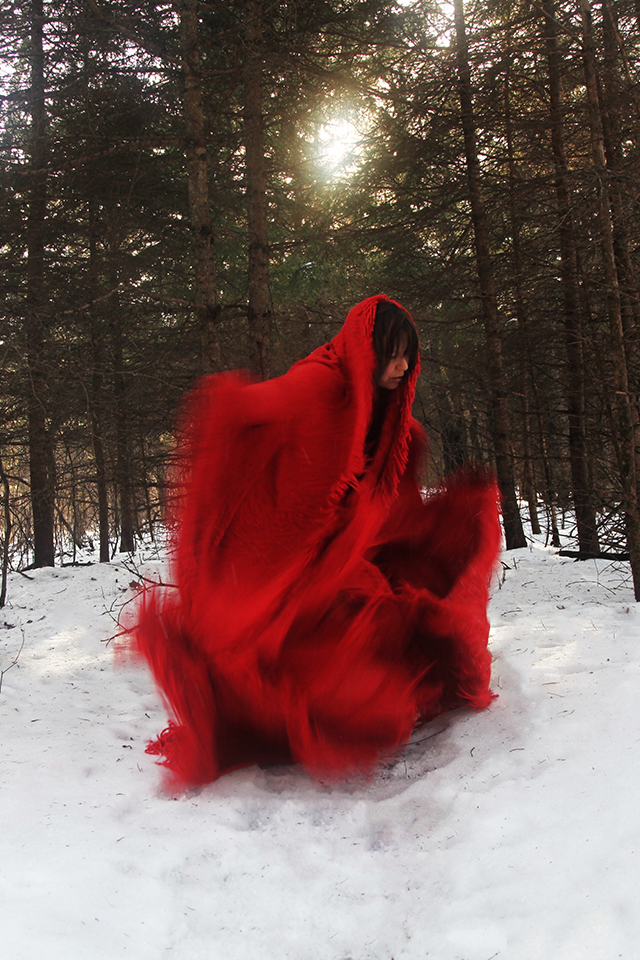
Resilience; Jaime Black-Morsette; 2016
October 16, 2025
Presentation by Jaime Black-MorsetteTime: 2:20-3:50 pm
Room: Olin-Sang 101
Indigenous Canadian artist Jaime Black-Morsette (Red River Métis) created The REDress Project to bring attention to and inspire action against the enormous amount of violence inflicted against Indigenous women, girls, and 2-spirit people across Canada. She hung empty red dresses, representing those who are no longer here, in public spaces -- in parks, in front of libraries, by the roadside -- as well as in galleries and on university campuses. Her art spread throughout both Canada and the United States as a message to the missing and murdered themselves, as support to impacted families, and as a call to action. A new book, which she edited, highlights the REDress Project's impact, including its relationship to a national inquiry into this violence on the part of the Canadian government.
Jaime Black-Morsette lives and works on her home territory near the confluence of the Red and Assiniboine rivers. She has been using their art practice as a way to gather community and create action and change around the epidemic of violence against Indigenous women and girls across Turtle Island for more than 15 years. Black-Morsette’s interdisciplinary art practice includes immersive film and video, installation art, photography, and performance art practices. Her work explores themes of memory, identity, place and resistance.
October 28, 2024
Presentation by Maria Pinto, writer, collagist and naturalist
Time: 3:30 - 5:00 pm
Room: TBD
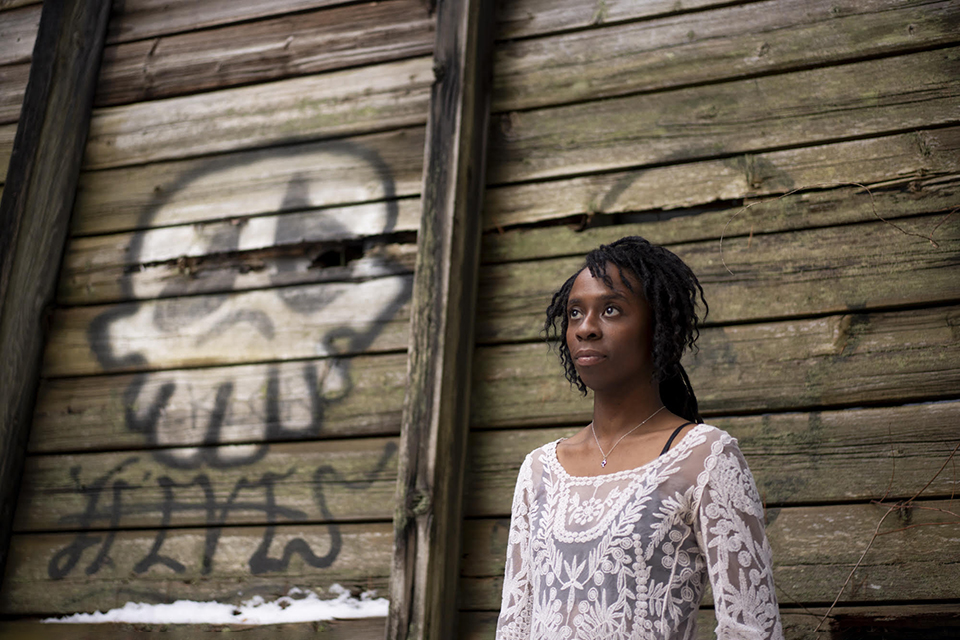
Maria Pinto is an author and educator living in the Boston area, originally from the Dominican Republic. She teaches for the literary nonprofit GrubStreet, and her work has appeared or will appear in Orion Magazine, Obsidian, Necessary Fiction, and Arnoldia, among other publications. She has led workshops and given lectures for mycological societies in New York, Texas, Wisconsin, and California, and she leads regular forays at Arnold Arboretum. Her book of essays inspired by mushrooms, Fearless, Sleepless, Deathless: What Fungi Taught Me about Nourishment, Poison, Ecology, Hidden Histories, Zombies, and Black Survival is forthcoming from Great Circle Books this autumn.
Co-sponsored by AAAS and English.