A Glimpse of Westphalia: Korea’s Foreign Policy Amidst the Wars and Regime Changes in the 17th Century East Asia
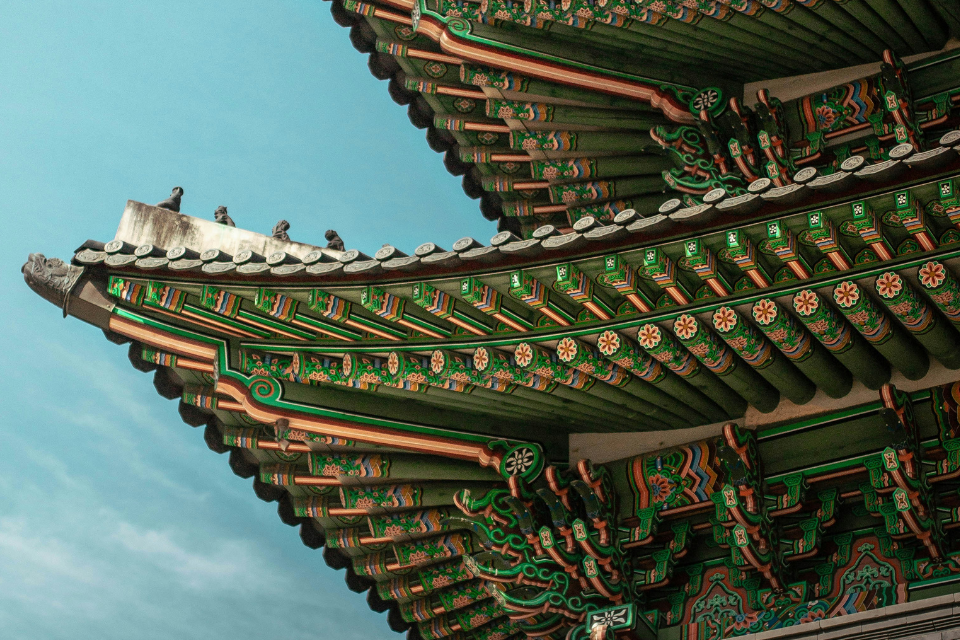
Gyeongbokgung Palace
Photo Credit: Alexandre Trouve
Dr. Ilsoo Cho
Florence Levy Kay Fellow in Korean and Japanese History
China’s rise as a regional hegemon has prompted questions about its impact on East Asian international relations. Recent works in international relations and history that emphasize the millennia-long impact of Chinese high culture often argue that the “Confucian sphere” offers unique features as a counterpoint to the Eurocentric Westphalian model, suggesting the weight of tradition, culture, and history will push China’s neighbors to accommodate Beijing’s strategic interests. Scholars often single out Korea as the ideal client state, where China traditionally exerted the greatest influence. After the Ming dynasty of China (1368-1644) saved the Chosŏn dynasty of Korea (1392-1910) from the Japanese invasions in the late 16th century, the standard narrative insists, Korea became ideologically committed to the China-centric regional order.
This project revisits the history of international relations in early modern East Asia through the lens of Korea’s foreign policy during the 17th-century wars and regime changes in China and Japan. Despite the traditional language of deference to China and goodwill to Japan, Korea’s actions show it prioritized self-preservation over loyalty to the Sinocentric order. Analyzing underutilized primary sources, this project argues that much of the current scholarship on Korea’s diplomatic stance has been manufactured ex post facto. The shock of the Manchu ascendancy and Korea’s yielding to Tokugawa Japan, together with hindsight, produced truth-bending revisionist accounts in Korea that shaped later views of Sino-Korean relations and Korea’s rapprochement with Japan.
Writing about their new book project, Dr. Cho explains, "The book concludes that what scholars generally believe about Korea’s exact stance vis-à-vis the outside world at this period has been manufactured ex post facto. The shock of the Manchu conquest of China and the Korean submission to the demands of Tokugawa Japan, combined with hindsight, created truth-bending historical revisionism in Korea that drastically altered how later generations of scholars perceived the Sino-Korean relations and Korea’s rapprochement with Japan."