Xukun Guo, MA’24, Psychology
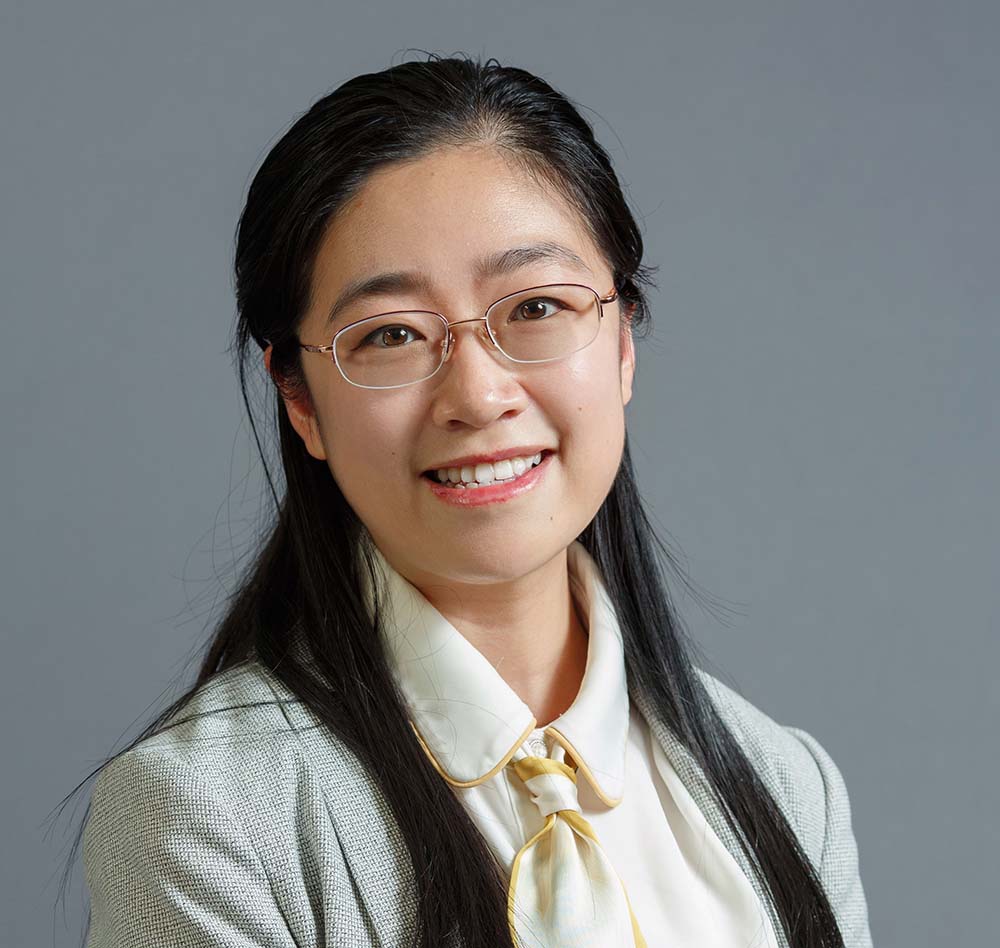
Community Health Worker Trainer, Asian Women for Health
February 23, 2026
Can you describe your career path and how it has led to your current work?
The career path I’m on now looks very different from what I imagined when I was 20. Back then, my initial thought was just to find a nice job in a big city. Eventually, I went further than I ever expected, earning degrees in China, Japan, and finally the US. I spent two years in China working as a mental health counselor, and now I’m a Community Health Worker Trainer in Boston. I help underemployed Massachusetts residents become Community Health Workers who serve as bridges between those in need and complex healthcare and social service systems.
The part that still surprises me is that I started out as a trainee in this very program. My former job coach, Kristen Killgore, became a huge advocate for me. She recognized how my previous experience could become a major asset in this role, and she saw it before I did. I’m still so grateful for her insight, and everything I’ve done before now seems to feed into this work in unexpected ways. The case management skills and work ethic from my counseling and teaching experiences help me teach the practical side of the job; my psychology background and my time as a course assistant at Brandeis taught me how to engage adult learners; and living in different countries gave me the empathy I need to do this work well. It wasn't a straight line, and I didn't do any of it with one ultimate goal in mind, but all those experiences ended up being the perfect toolkit. I really give Kristen credit for recognizing those strengths in me first.
What does a typical day or week look like for you in this position?
My week is split into two different modes. Two full days a week, I’m fully engaged in the classroom. It’s high energy with lots of interactive activities to help students get comfortable with the core skills they’ll need as Community Health Workers. I usually feel inspired by the stories and lived experiences that my students share.
The other three days I talk less. That’s when I’m behind the scenes preparing for everything, such as lesson planning, designing learning materials, managing assignments, and meeting with team members and sometimes partners. I also help with coordination, from the initial recruitment of students all the way to graduation day.
What skills from your Brandeis degree have you found most valuable in your current work?
I’m grateful for the research skills I developed at Brandeis. Being able to understand and analyze both quantitative and qualitative data, and to communicate ideas rigorously, has made me a better problem solver. I’m also thankful for the career support I received during my job search from Marika McCann, Associate Director of Professional Development and Employer Outreach. As a non-native English speaker, I used to think communication would always be my weakness. Marika helped me realize that strong communication doesn’t mean knowing every word. She taught me that sincerity and knowing the language of the specific field matter more than having a perfect vocabulary.
What advice do you have for current students as they embark on their career exploration or job search?
Everyone has a unique mix of skills and life experiences. If you’re struggling to see yours, it may be because you haven’t named them yet, especially your soft skills. A combination of two skills can make a huge difference. If you are in career exploration, I encourage you to explore careers at the intersections of your skills.
At the same time, there is no need to put too much pressure on every single skill to be part of your job title. For example, I don't use coding at all in my current role, but it supports me quietly and continues to shape how I think and solve problems.